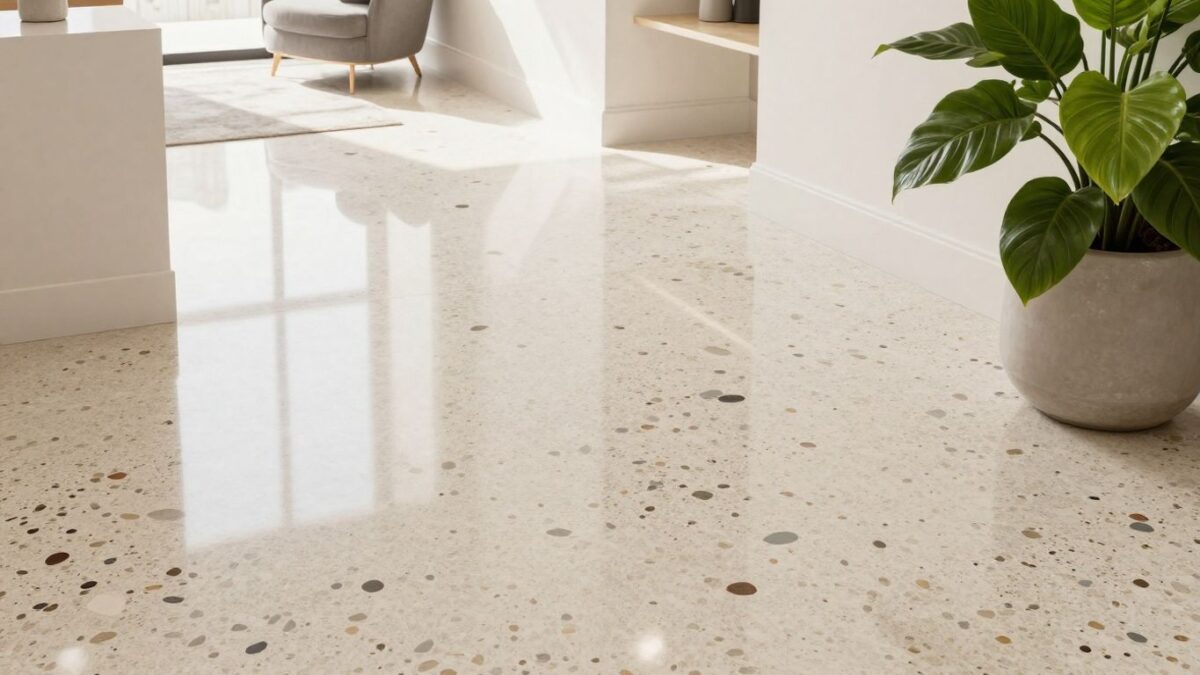
Beyond the Basics: A Comprehensive Guide to Terrazzo Floors
So, you’re thinking about terrazzo floors? They’ve been around for ages, and for good reason. It’s not just about looks, though they can certainly be stunning. We’re talking about a flooring option that’s tough, lasts practically forever, and can be customized to fit pretty much any style. Whether you’re renovating a home or designing a busy commercial space, understanding what goes into terrazzo floors, how to care for them, and how they stack up against other materials is pretty important. Let’s break it down.
Key Takeaways
- Terrazzo floors come in different systems, mainly epoxy-based (thinner, non-porous) and cement-based (thicker, more porous).
- These floors are known for lasting as long as the building itself, making them a sustainable choice with a good long-term cost.
- Proper installation starts with a solid foundation (the substrate) and using the right materials, including planned movement joints.
- Keeping terrazzo floors looking good involves regular cleaning, and sometimes sealing or polishing to bring back their shine.
- The design possibilities with terrazzo are huge, thanks to different chip types and binder colors, allowing for unique patterns.
Understanding Terrazzo Flooring Systems
Terrazzo flooring has a long history, first appearing in Italy centuries ago. It started as a way to use up leftover marble chips, which workers would mix with clay. Over time, this evolved into a more intentional process, with cement eventually replacing clay as the binder. Today, there are two main types of terrazzo systems you’ll commonly find: epoxy-based and cement-based.
Epoxy Based Terrazzo Systems
Epoxy-based terrazzo is a modern take on the classic material. It’s a thin-set system, meaning it can be installed at about 1/4 inch thick. This makes it suitable for a wide range of applications, even over existing floors if the substrate is right. The big advantage here is that epoxy is not porous. This means spills and liquids don’t soak in easily, which cuts down a lot on staining and makes cleaning simpler. You can get by with just dust mopping and occasional wet mopping. Some people like to add a wax sealer to make the colors pop more, giving the floor a deeper look. Without wax, the floor might look a bit more subtle, but it’s still very low maintenance.
Cement Based Terrazzo Systems
This is the more traditional type, closer to how terrazzo was first made. However, it has some drawbacks for modern buildings. For starters, it’s much thicker, usually needing to be over 2 inches deep. Also, like many cement products, it’s porous. This means it can absorb stains from spills if not properly sealed. To keep it looking good and protected, cement-based terrazzo needs a topical sealer. This means more upkeep, like regular stripping and resealing, which adds to the long-term cost and effort compared to epoxy systems. It’s a beautiful material, but the maintenance can be a significant factor to consider for high-traffic areas.
When choosing between these systems, think about where the floor will be and how much wear and tear it will get. Both have their place, but understanding their differences is key to a successful installation and a floor that lasts.
The Longevity and Sustainability of Terrazzo
A Building’s Lifespan
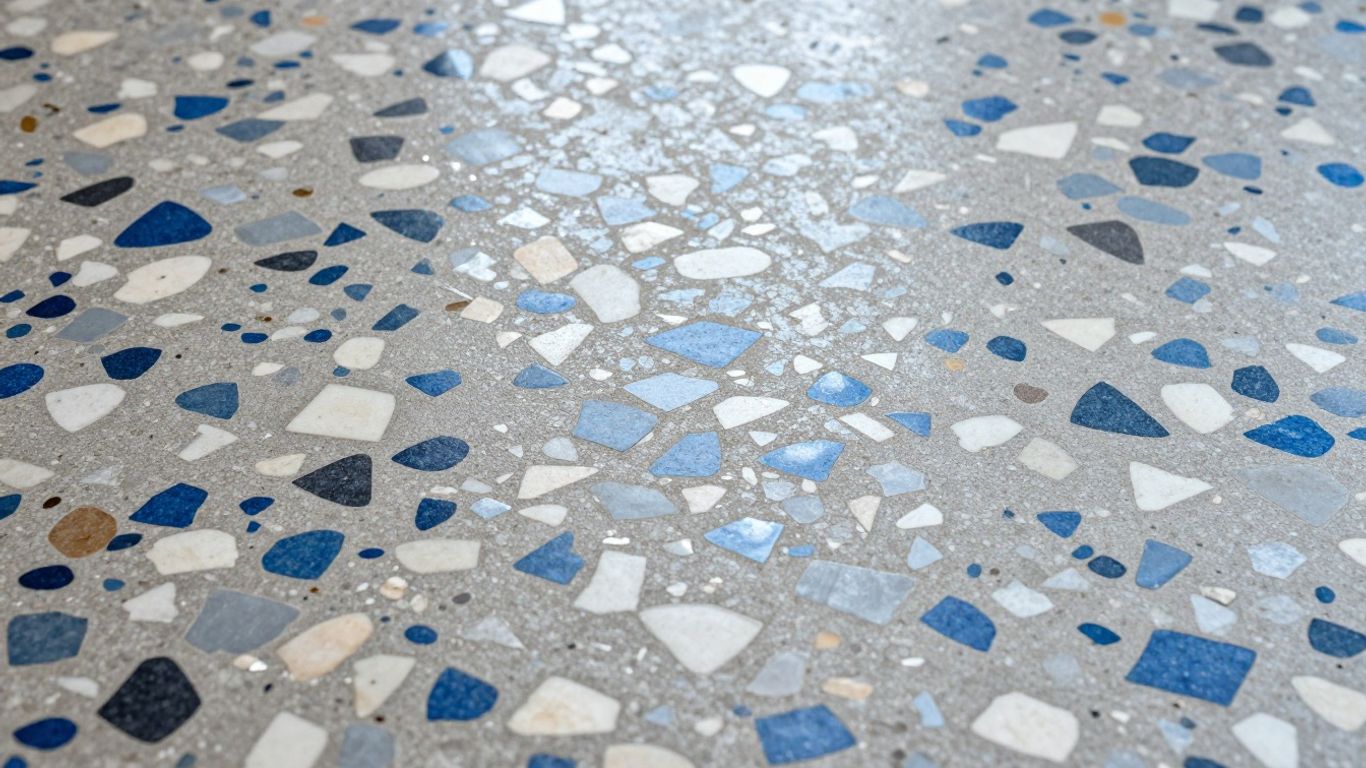
Terrazzo flooring is known for sticking around. Seriously, it can last as long as the building it’s installed in. This isn’t just a claim; it’s a result of how terrazzo is made – chips of stone, glass, or other materials mixed into a binder. Once it’s down and polished, it creates a really tough surface. This means you’re not looking at replacing it every decade or so like some other materials. It’s built to endure, which is a big plus for any project.
Low Lifecycle Cost
When you look at the total cost of a floor over many years, terrazzo often comes out ahead. Yes, the initial price might be higher than some alternatives, but think about it this way: if a floor lasts 50 years or more and doesn’t need constant repairs or frequent replacement, you save a lot of money in the long run. This includes the costs of installation, cleaning, maintenance, and eventual removal. Terrazzo’s durability means fewer of these expenses over its very long life.
Here’s a look at how lifecycle costs can stack up:
| Material | Initial Cost | Lifespan | Maintenance Cost | Replacement Cost | Total Lifecycle Cost (Est.) |
|---|---|---|---|---|---|
| Terrazzo | High | 50+ Years | Low | Very Low | Low |
| Porcelain Tile | Medium | 20-30 Years | Low | Medium | Medium |
| LVT | Low | 7-15 Years | Low | High | Medium to High |
| Carpet Tile | Low | 5-10 Years | Medium | High | High |
Sustainable Material Choice
Choosing terrazzo is a good move for the environment. Because it lasts so long, you’re not contributing to landfill waste as often as you would with materials that need frequent replacement. Plus, many terrazzo systems use recycled content, like glass or other reclaimed materials, in their mix. This reduces the demand for new raw materials. It’s a way to have a beautiful, durable floor without such a heavy environmental footprint.
The long lifespan of terrazzo significantly reduces the need for replacement, cutting down on waste and the resources required for manufacturing and installation of new flooring materials over time. This makes it a responsible choice for sustainable building projects.
Installation Considerations for Terrazzo Floors
Substrate Preparation Essentials
Getting the foundation right is the most important step for any terrazzo floor. Think of the subfloor as the base for everything else. If it’s not solid, flat, and clean, you’re asking for trouble down the line. This means checking for any uneven spots, making sure it’s structurally sound, and that there’s no excess moisture. A common standard is to have no more than a 1/4-inch difference over a 10-foot span. Spending time and money here prevents costly repairs later.
- Ensure the subfloor is completely clean, free of dust, debris, and any old adhesives.
- Verify the substrate is structurally sound and free from cracks or damage.
- Check moisture levels and ensure they are within the manufacturer’s recommended limits.
- Level the subfloor to meet the required flatness specifications.
A properly prepared substrate is the bedrock of a durable and long-lasting terrazzo installation. Skipping this step is a gamble that rarely pays off.
Selecting the Right Installation System
Once the subfloor is ready, the next step is choosing the correct materials to bond the terrazzo. This isn’t the place to cut corners. The system you use—the binders, aggregates, and any additives—needs to be compatible and suited for the specific type of terrazzo and its intended use. For instance, epoxy-based systems are thinner and non-porous, while cement-based ones are thicker and require different handling.
- Epoxy-Based Systems: Typically thinner (around 1/4 inch), non-porous, and offer good resistance to stains. They are often preferred for their speed of installation and lower profile.
- Cement-Based Systems: Thicker (often over 2 inches), more traditional, and can be more susceptible to staining if not properly sealed.
The Importance of Movement Joints
Buildings naturally expand and contract with changes in temperature and humidity. Movement joints, also known as expansion joints, are planned breaks in the terrazzo surface that allow for this natural movement. Without them, the stress can cause the terrazzo to crack or buckle. Properly placed and sized movement joints are critical for the floor’s integrity over its lifespan. They are not an afterthought but a planned part of the design.
Maintenance and Care for Terrazzo
Routine Cleaning Practices
Keeping your terrazzo floor looking its best doesn’t have to be a chore. For daily upkeep, a simple dust mop is usually all you need to pick up loose dirt and debris. This prevents grit from scratching the surface over time. When a deeper clean is required, use a damp mop with a pH-neutral cleaner. Avoid harsh chemicals or abrasive scrubbers, as these can damage the binder or the aggregate. Regular, gentle cleaning is key to preserving the floor’s appearance.
Enhancing Vibrancy with Sealers
While epoxy-based terrazzo is naturally non-porous and resistant to stains, cement-based systems benefit significantly from sealing. A good quality sealer not only protects against spills but can also bring out the rich colors of the aggregate. For epoxy systems, a sealer isn’t strictly necessary for protection, but it can add a desirable sheen and depth. The type of sealer and whether it’s applied will affect the floor’s final look – some prefer a matte, natural finish, while others like a high-gloss shine.
Periodic Polishing Requirements
Over time, even the most well-maintained terrazzo floor can lose some of its luster. Periodic polishing can restore that original shine. The frequency of polishing depends on the amount of foot traffic the floor receives and the type of binder used. For high-traffic areas, a light polish might be needed annually, while in less-used spaces, it could be every few years. This process can often be done by professionals, bringing the floor back to a like-new condition without the need for a full replacement.
Design Versatility in Terrazzo
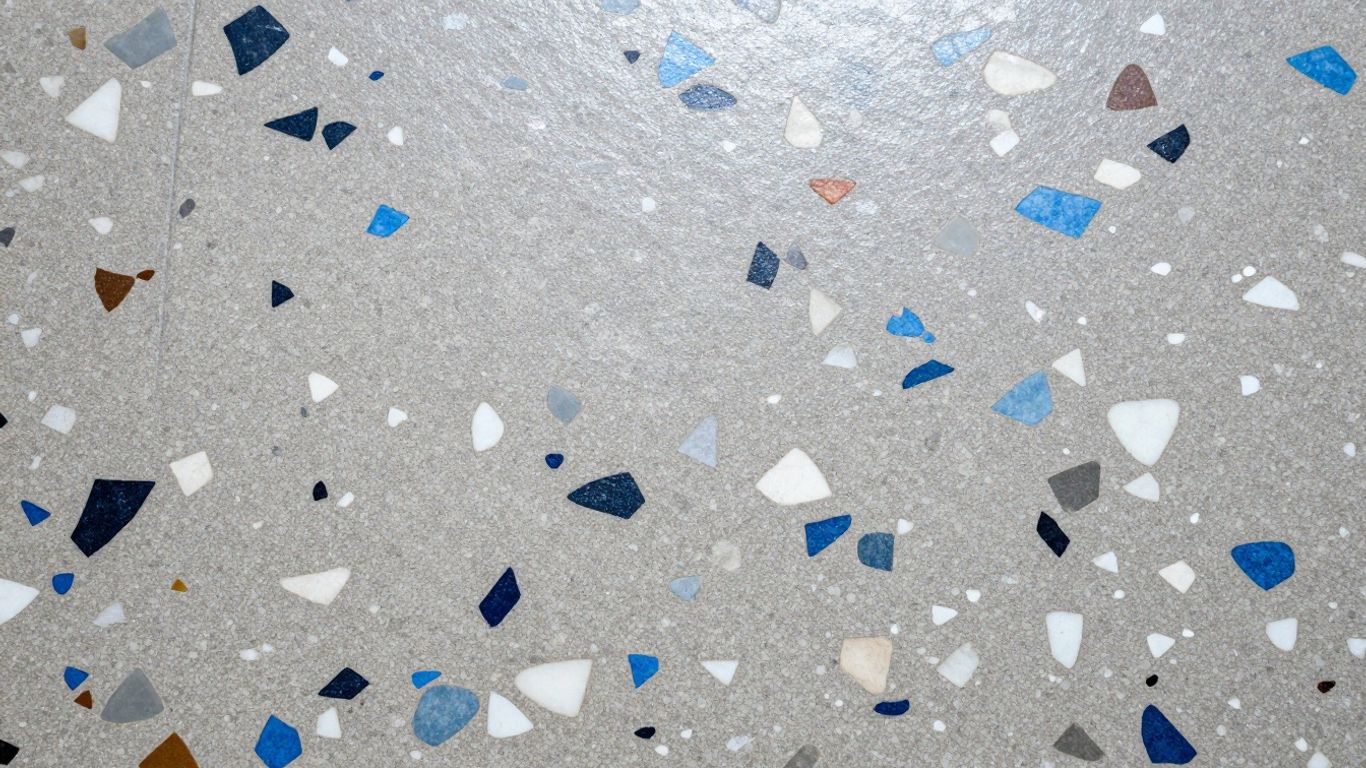
Terrazzo isn’t just about durability; it’s also a canvas for creativity. The way it’s put together allows for a huge range of looks, from subtle and understated to bold and artistic. This adaptability makes it a go-to choice for designers wanting a unique floor.
Aggregate and Binder Combinations
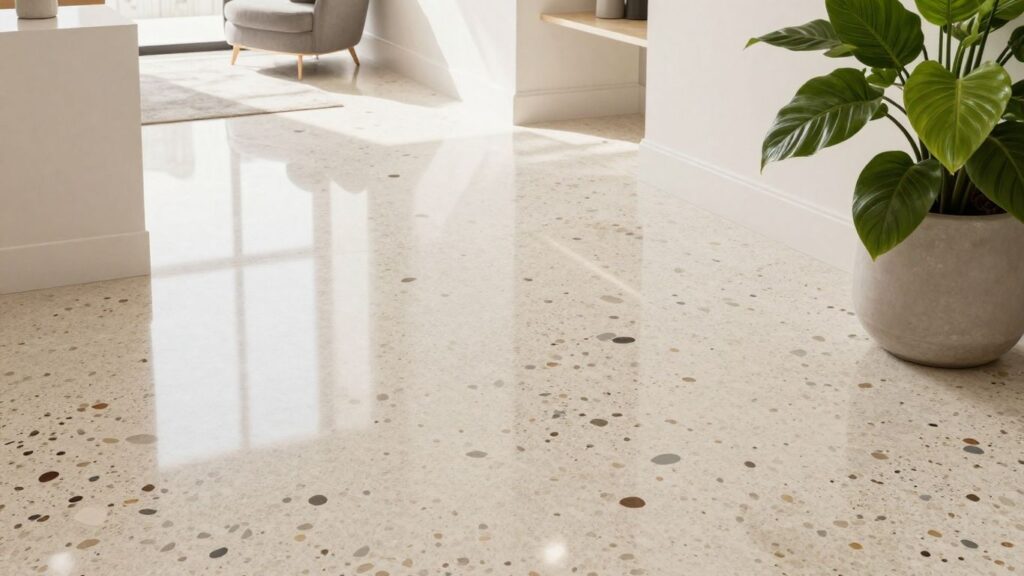
The look of terrazzo starts with its components: the aggregate and the binder. The aggregate is what gives terrazzo its texture and visual interest. Think marble chips, granite, quartz, or even glass. Each material brings a different feel. Marble offers a classic, refined look, while glass can add sparkle and a modern edge. The binder, which holds everything together, can be epoxy resin or cement. Epoxy binders are popular because they’re non-porous and come in many colors, allowing the aggregate to really stand out. Cement binders, while more traditional, offer a different aesthetic and can be tinted too.
Custom Color and Pattern Options
Beyond the choice of aggregate, terrazzo offers almost limitless possibilities for color and pattern. The binder can be colored to match any design scheme. Want a floor that looks like a swirling galaxy? Or perhaps a geometric pattern that ties into your brand’s logo? It’s all achievable. This level of customization means that no two terrazzo floors have to be alike. You can create floors that are truly one-of-a-kind.
Seamless Aesthetic Appeal
One of the most striking features of a well-installed terrazzo floor is its seamless appearance. Unlike tile floors with visible grout lines, terrazzo is poured in place, creating a continuous surface. This lack of grout lines not only looks clean and modern but also makes cleaning much simpler. There are no nooks and crannies for dirt to get trapped in. This continuous surface can make spaces feel larger and more open, which is a big plus for many architectural designs.
Comparing Terrazzo to Other Flooring Materials
When you’re looking at flooring options, especially for busy places, it’s smart to see how terrazzo stacks up against the others. It’s not just about looks; it’s about how long it lasts, how much work it takes to keep it looking good, and what kind of design freedom you get. Terrazzo has been around for ages, and there’s a reason it’s still a top choice for many projects.
Durability and Lifespan Comparison
Terrazzo is known for being incredibly tough. It can genuinely last as long as the building itself, which is a pretty big deal. This means you’re not looking at replacing it anytime soon, unlike some other materials that might need swapping out after a decade or two. Think of it as a one-and-done kind of floor for many applications.
Here’s a quick look at how it compares:
| Material | Durability & Lifespan | Ideal Applications |
|---|---|---|
| Terrazzo | Exceptional; can last the lifetime of the building. | Airports, institutions, luxury retail, lobbies. |
| Porcelain Tile | Excellent; highly resistant to wear, scratches, stains. | Airports, malls, lobbies, healthcare, food service. |
| Luxury Vinyl Tile | Good to Very Good; tough wear layer resists scuffs. | Retail, corporate offices, hospitality, healthcare. |
| Rubber Flooring | Excellent; highly resilient to impact and heavy loads. | Gyms, healthcare, schools, play areas. |
| Handmade Cement Tile | Exceptional; through-body color hides wear and develops a patina. | Boutique retail, restaurants, hotels, statement lobbies. |
Maintenance Needs Across Materials
Keeping floors looking good is a big part of the cost and effort involved. Terrazzo, especially epoxy-based systems, is pretty low-maintenance. You’re mostly looking at regular cleaning. Some people like to add a sealer or wax to make the colors pop even more, which might need a bit of extra attention now and then, but it’s generally straightforward.
- Routine Cleaning: Dust mopping and occasional wet mopping are usually enough for epoxy terrazzo.
- Sealing/Waxing: While not always necessary for protection (especially with epoxy), it can boost appearance and might need periodic reapplication.
- Polishing: For that high-gloss finish, periodic polishing is key, but this is more about aesthetics than necessity for protection.
Other materials have different needs. Porcelain tile is easy to clean, but those grout lines can be a pain. LVT is simple to maintain, but it doesn’t have the same longevity. Handmade cement tiles need sealing and careful cleaning to maintain their unique look.
The long-term upkeep is a significant factor. A material that seems cheaper upfront might end up costing more over time due to frequent repairs or replacement.
Design Versatility Spectrum
This is where terrazzo really shines. You can mix and match so many different aggregates – like glass, marble, or granite – with various binders, including epoxy and cement. This means you can create almost any color or pattern you can imagine. It’s not just about picking a color; it’s about creating a unique piece of art for your floor. The result is a seamless look that can tie a whole space together.
- Aggregate Choices: From subtle quartz to vibrant colored glass, the options are vast.
- Binder Colors: Epoxy and cement binders come in a huge range of colors to complement or contrast the aggregate.
- Pattern Creation: Intricate designs, logos, and borders are all possible, offering incredible customization.
While materials like LVT can mimic other looks very well, and porcelain tile offers many finishes, terrazzo offers a level of customizability that’s hard to beat when you want something truly original and durable.
Terrazzo stands out because it’s strong and lasts a long time, but how does it stack up next to other floors like vinyl or tile? Each flooring choice has its own pros and cons, so it’s smart to understand what fits your home best. Want to see more detailed comparisons and find the perfect flooring for your renovation? Check out our website for all your flooring needs!
Wrapping Up Your Terrazzo Journey
So, we’ve walked through what makes terrazzo floors a standout choice. From its long history to its modern applications, it’s clear this material offers a lot. Whether you’re leaning towards the low-maintenance epoxy versions or the classic cement-based styles, terrazzo brings a unique look and serious durability to the table. It’s a flooring option that really can last for ages, making it a solid pick for many different spaces. Thinking about it for your next project? It’s definitely worth considering for its lasting appeal and strength.
Frequently Asked Questions
What exactly is terrazzo flooring?
Terrazzo is a cool flooring material made by mixing little chips of stuff like marble, quartz, or glass into a binder. Think of it like a mosaic but smoother and all in one piece. It’s poured right onto your floor or made in sections before being put in place. It looks super sleek and can last practically forever!
Is terrazzo flooring really that durable?
You bet! Terrazzo is known for being incredibly tough. Once it’s put in and polished up, it can easily last as long as the building itself. It’s a great choice if you want something that can handle tons of foot traffic without getting worn out.
What’s the difference between epoxy and cement terrazzo?
Epoxy terrazzo is thinner, usually only about 1/4 inch thick, and it’s not porous, meaning spills won’t easily stain it. Cement terrazzo is thicker, like the old kind from Italy, and it’s more likely to get stained because it’s porous. Epoxy is generally easier to care for.
How do I clean and care for my terrazzo floor?
Taking care of terrazzo is pretty simple. For daily cleaning, just sweep or dust mop it. You can also mop it with water. If you have epoxy terrazzo, you might want to put a wax on it sometimes to make the colors pop, but it’s not always needed. For cement terrazzo, you’ll need to seal it more often.
Can I choose any colors or designs for my terrazzo floor?
Totally! Terrazzo is super versatile. You can mix different kinds of chips (aggregates) and binders to get all sorts of colors and patterns. You can even create custom designs, so your floor can be totally unique and match whatever style you’re going for.
Is terrazzo a good choice for saving money in the long run?
Even though the starting cost for terrazzo can be a bit high, it’s a really smart investment. Because it lasts so long and doesn’t need constant repairs or replacements, its overall cost over many years is quite low. Plus, it’s a good choice for the environment because it lasts so long.