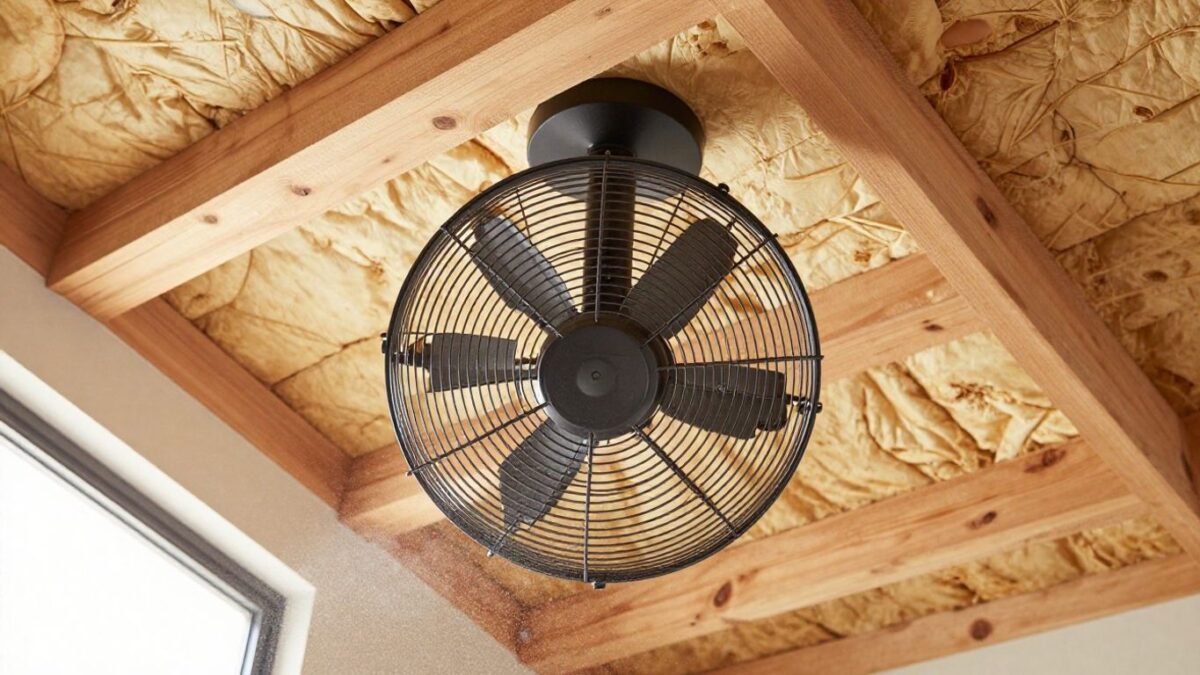
Find the Perfect Attic Fan at The Home Depot for Your Home
Attic Fan Home Depot: Complete Buyer’s Guide for Better Home Ventilation
Looking for the best attic fan at Home Depot? Choosing the right attic ventilation fan can lower attic temperatures, reduce cooling costs, extend roof life, and improve indoor comfort. This guide explains how attic fans work, the different types available, how to choose the right size, and the features that matter most before buying.
Key Takeaways
- Discover how attic fans reduce heat and energy costs.
- Compare solar, electric, and whole-house attic fans.
- Learn how to choose the correct CFM and fan size.
- See which features are worth paying for.
- Understand installation and maintenance tips.
Why Install an Attic Fan?
Many homeowners focus on upgrading their air conditioner while overlooking one of the biggest sources of unwanted heat—the attic. During summer, attic temperatures commonly exceed 140°F. That trapped heat radiates into the living space below, forcing your HVAC system to run longer.
An attic fan removes superheated air and replaces it with cooler outdoor air through existing intake vents. By improving attic ventilation, your home stays more comfortable and your cooling equipment works less.
Lower Cooling Bills
Reducing attic temperatures decreases the amount of heat transferred into ceilings and walls. Homeowners often notice improved comfort upstairs and reduced strain on the air conditioner during peak summer months.
Protect Your Roof
Extreme attic heat accelerates aging of roofing materials. Proper ventilation helps reduce heat buildup that can shorten the lifespan of asphalt shingles and roof decking.
Reduce Moisture Problems
Attic ventilation isn’t only for hot climates. During cooler months, moisture from daily household activities can migrate into the attic. Good airflow helps reduce condensation that may contribute to mold, mildew, and wood deterioration.
Types of Attic Fans Available at Home Depot
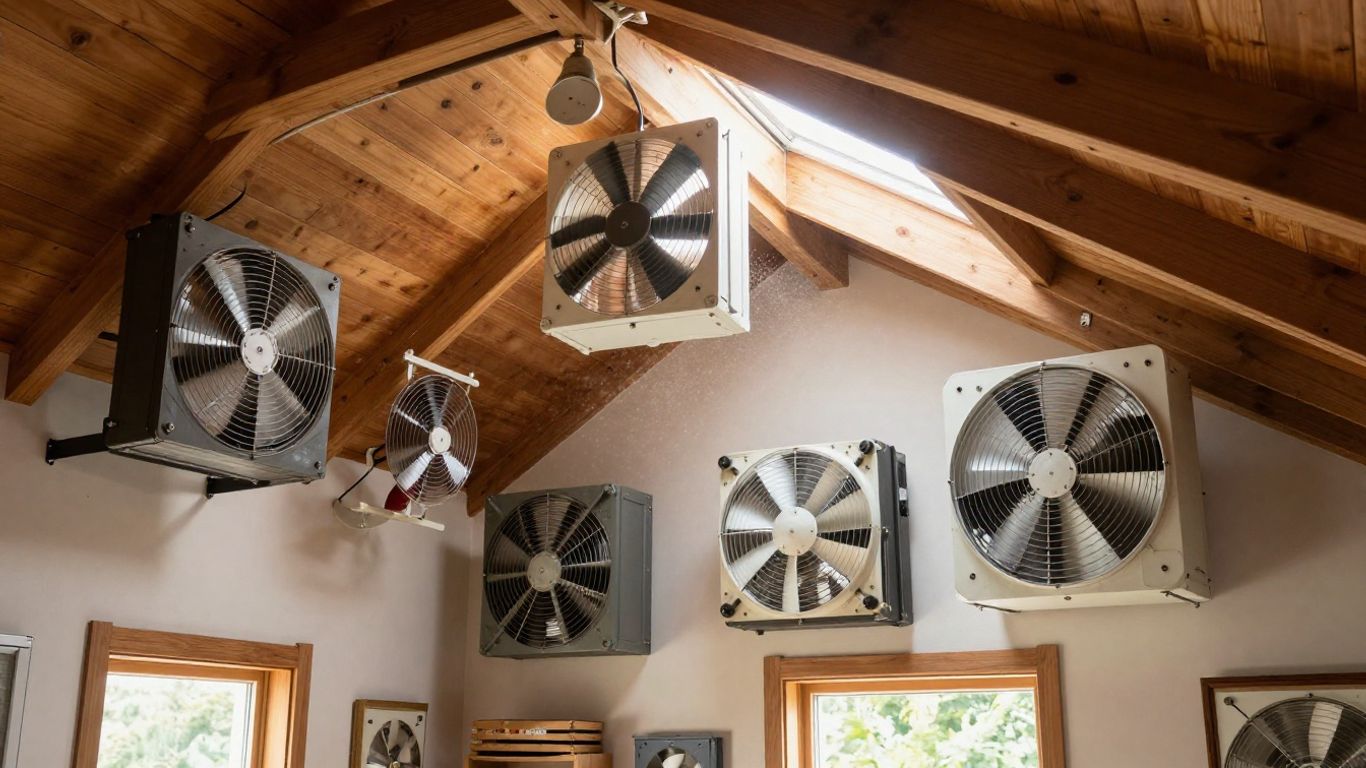
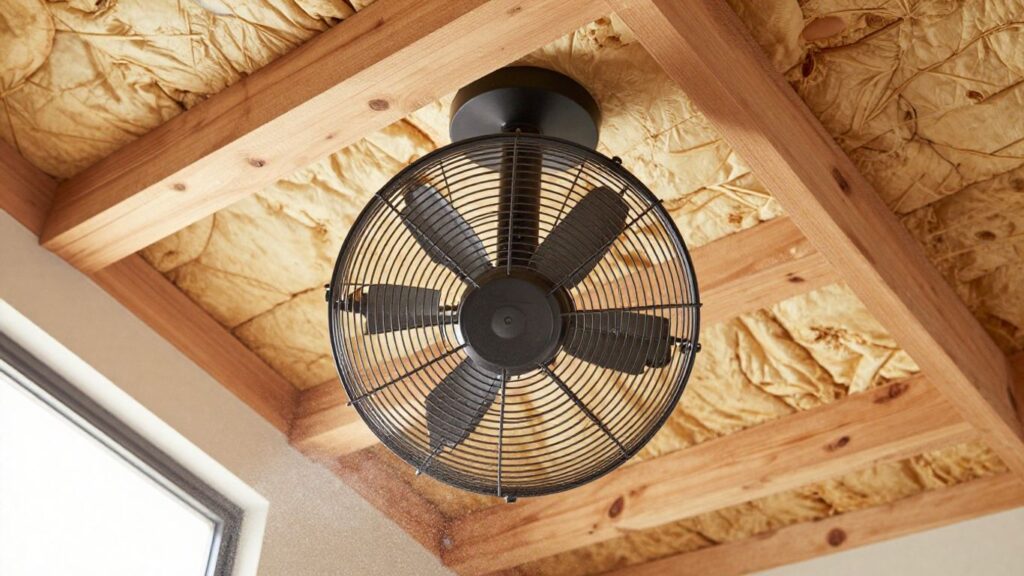
Electric Roof-Mounted Fans
Electric attic fans are among the most popular choices because they provide consistent airflow regardless of weather conditions. Many include adjustable thermostats that automatically activate when attic temperatures reach a preset level.
Solar Attic Fans
Solar-powered attic fans operate using sunlight instead of household electricity. They can reduce operating costs while providing reliable daytime ventilation when heat levels are highest.
Whole House Fans
Whole-house fans differ from standard attic fans because they pull fresh outdoor air through open windows while exhausting warm indoor air into the attic and out roof vents. They work especially well during cooler evenings.
Choosing the Right Size
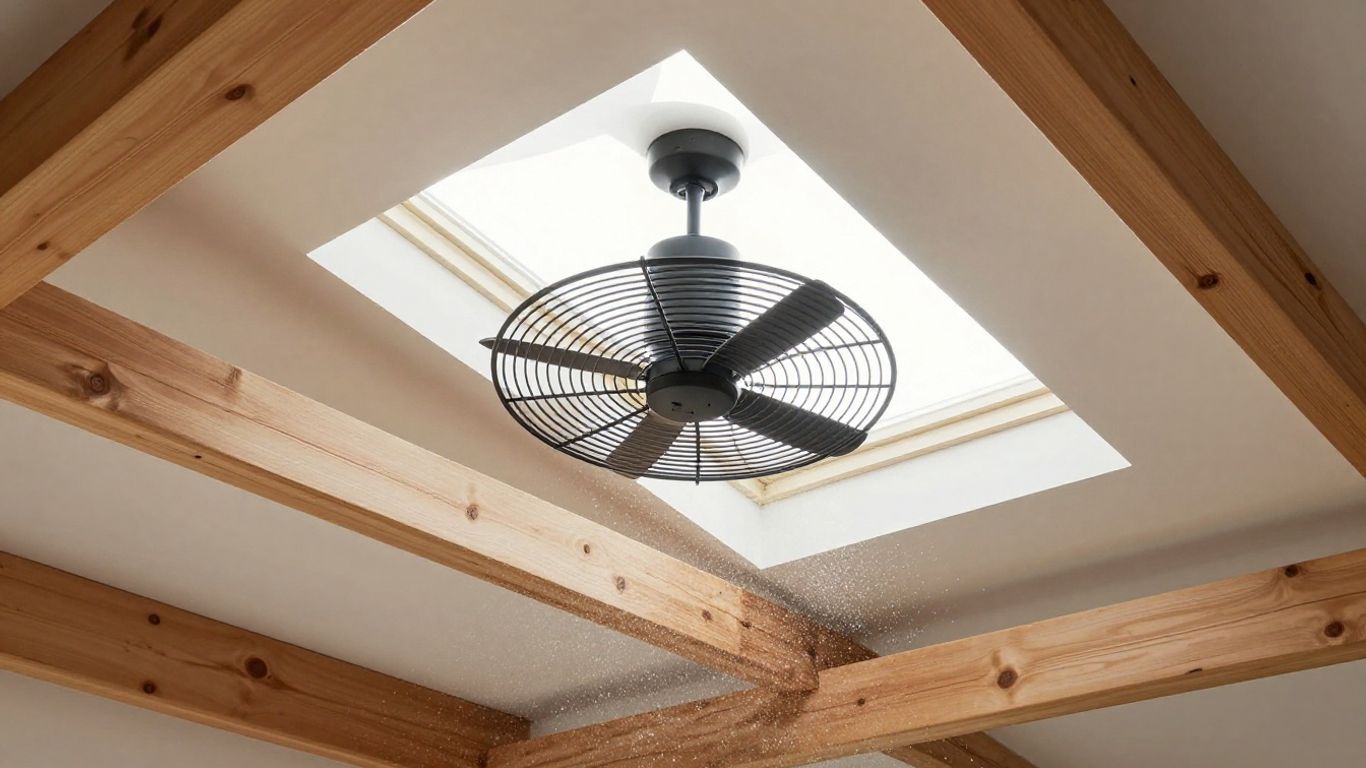
Selecting the correct attic fan is just as important as choosing the right type. Oversized fans may create negative pressure, while undersized units cannot remove heat efficiently.
Measure Your Attic
Calculate attic volume by multiplying length × width × average height. This provides the cubic footage used to estimate the required airflow.
Understand CFM Ratings
CFM (Cubic Feet per Minute) measures airflow capacity. Manufacturers typically recommend matching fan capacity with attic size while ensuring adequate intake ventilation.
| Attic Size | Recommended CFM |
|---|---|
| Up to 1,000 sq ft | 800–1,200 |
| 1,000–2,000 sq ft | 1,200–2,400 |
| 2,000+ sq ft | 2,400+ |
Features Worth Buying
Look for adjustable thermostats, humidistats, corrosion-resistant construction, quiet motors, and extended warranties. These features improve efficiency and long-term reliability.
Installation Tips
Before installing an attic fan, verify your attic has adequate intake ventilation through soffit vents. Without balanced airflow, even a powerful fan cannot perform efficiently.
Always follow manufacturer installation instructions and local building codes. If electrical work is required, many homeowners prefer professional installation.
Maintenance
Inspect your attic fan annually. Clean accumulated dust from the blades, verify fasteners remain tight, inspect wiring for wear, and ensure surrounding vents remain unobstructed.
Routine maintenance helps maximize airflow, reduce noise, and extend motor life.
Conclusion
Whether you choose a solar attic fan, electric attic fan, or whole-house ventilation system from Home Depot, selecting the proper size and installing it correctly will improve energy efficiency and indoor comfort for years to come.
Proper attic ventilation remains one of the most cost-effective home improvements because it helps control temperature, protects roofing materials, and supports HVAC efficiency. When comparing products, focus on airflow, durability, warranty coverage, and compatibility with your existing ventilation system.
Proper attic ventilation remains one of the most cost-effective home improvements because it helps control temperature, protects roofing materials, and supports HVAC efficiency. When comparing products, focus on airflow, durability, warranty coverage, and compatibility with your existing ventilation system.
Proper attic ventilation remains one of the most cost-effective home improvements because it helps control temperature, protects roofing materials, and supports HVAC efficiency. When comparing products, focus on airflow, durability, warranty coverage, and compatibility with your existing ventilation system.
Proper attic ventilation remains one of the most cost-effective home improvements because it helps control temperature, protects roofing materials, and supports HVAC efficiency. When comparing products, focus on airflow, durability, warranty coverage, and compatibility with your existing ventilation system.
Proper attic ventilation remains one of the most cost-effective home improvements because it helps control temperature, protects roofing materials, and supports HVAC efficiency. When comparing products, focus on airflow, durability, warranty coverage, and compatibility with your existing ventilation system.
Proper attic ventilation remains one of the most cost-effective home improvements because it helps control temperature, protects roofing materials, and supports HVAC efficiency. When comparing products, focus on airflow, durability, warranty coverage, and compatibility with your existing ventilation system.
Proper attic ventilation remains one of the most cost-effective home improvements because it helps control temperature, protects roofing materials, and supports HVAC efficiency. When comparing products, focus on airflow, durability, warranty coverage, and compatibility with your existing ventilation system.
Proper attic ventilation remains one of the most cost-effective home improvements because it helps control temperature, protects roofing materials, and supports HVAC efficiency. When comparing products, focus on airflow, durability, warranty coverage, and compatibility with your existing ventilation system.
Proper attic ventilation remains one of the most cost-effective home improvements because it helps control temperature, protects roofing materials, and supports HVAC efficiency. When comparing products, focus on airflow, durability, warranty coverage, and compatibility with your existing ventilation system.
Proper attic ventilation remains one of the most cost-effective home improvements because it helps control temperature, protects roofing materials, and supports HVAC efficiency. When comparing products, focus on airflow, durability, warranty coverage, and compatibility with your existing ventilation system.
Proper attic ventilation remains one of the most cost-effective home improvements because it helps control temperature, protects roofing materials, and supports HVAC efficiency. When comparing products, focus on airflow, durability, warranty coverage, and compatibility with your existing ventilation system.
Proper attic ventilation remains one of the most cost-effective home improvements because it helps control temperature, protects roofing materials, and supports HVAC efficiency. When comparing products, focus on airflow, durability, warranty coverage, and compatibility with your existing ventilation system.
Advanced Attic Fan Buying Guide
Choosing an attic fan involves more than comparing prices. The best attic ventilation system depends on your climate, roof design, insulation levels, and the amount of existing intake ventilation. A balanced ventilation system delivers better long-term performance than simply installing the largest fan available.
Thermostats and Humidistats
Many premium attic fans include adjustable thermostats that activate automatically when attic temperatures reach a selected level. Some models also include humidistats that monitor moisture levels to help reduce condensation during cooler months.
Energy Efficiency
Energy-efficient attic fans use modern motors that consume less electricity while maintaining excellent airflow. Solar attic fans eliminate operating costs during daylight hours and may qualify for incentives depending on your location.
Noise Levels
Quality attic fans operate quietly even during extended summer operation. Look for balanced blades, sealed bearings, and high-quality motors for smoother performance.
If you have roofing and electrical experience, installing an attic fan may be a manageable weekend project. However, cutting roof openings and connecting electrical circuits requires careful attention to local building codes and manufacturer instructions.
Professional installation helps ensure proper flashing, weather sealing, electrical safety, and optimal placement.
Common Mistakes to Avoid
- Buying a fan that is too large.
- Ignoring soffit ventilation.
- Blocking intake vents with insulation.
- Skipping annual maintenance.
- Installing incompatible roof vents.
Seasonal Maintenance Checklist
- Clean fan blades.
- Inspect wiring.
- Verify thermostat operation.
- Check flashing for leaks.
- Remove debris from vents.
- Inspect for animal nests.
Frequently Asked Questions
Does an attic fan lower electric bills?
It can reduce cooling demand by lowering attic temperatures, especially during hot summer months.
Is a solar attic fan worth it?
Solar attic fans provide free daytime operation and require very little maintenance, making them a popular long-term investment.
Can an attic fan damage my roof?
No. When installed correctly with proper flashing and balanced ventilation, attic fans help protect roofing materials by reducing excessive heat and moisture.
How long do attic fans last?
Most quality attic fans last 10–20 years depending on motor quality, maintenance, and environmental conditions.
How often should attic fans be serviced?
An annual inspection and cleaning is recommended to maintain peak performance.
Final Thoughts
Investing in a properly sized attic fan from Home Depot can improve indoor comfort, reduce HVAC workload, and protect your home’s roofing system. Compare airflow ratings, warranty coverage, motor quality, thermostat controls, and installation requirements before making your purchase.
Every home is different, so evaluate attic size, insulation, roof orientation, local climate, and existing ventilation before selecting a product. Proper installation combined with regular maintenance delivers the greatest return on investment through lower cooling costs, improved comfort, and longer roof life. A well-ventilated attic also helps reduce moisture buildup, supporting healthier indoor air quality and protecting structural components for years to come.