Find Great Deals: Building Materials Auctions Near Me
Looking to save some cash on your next home project or renovation? You might be surprised what you can find at building materials auctions. Seriously, people offload all sorts of stuff – from lumber to kitchen cabinets – often for way less than you’d pay at the store. It’s a bit of a treasure hunt, but if you know where to look, you can snag some amazing deals. This article will help you figure out how to find those building materials auctions near me and make the most of them.
Key Takeaways
- Building materials auctions offer a chance to buy items like lumber, fixtures, flooring, and tools at lower prices than retail.
- You can find auctions through online platforms, local auction houses, and government surplus sales.
- Prepare by making a list of needed materials and setting a clear budget before you go.
- Inspect items carefully and understand pickup procedures to avoid surprises.
- Auctions are great for contractors, DIYers, and investors looking to cut costs on projects.
Discover Building Materials Auctions Near You
Understanding Building Materials Auctions
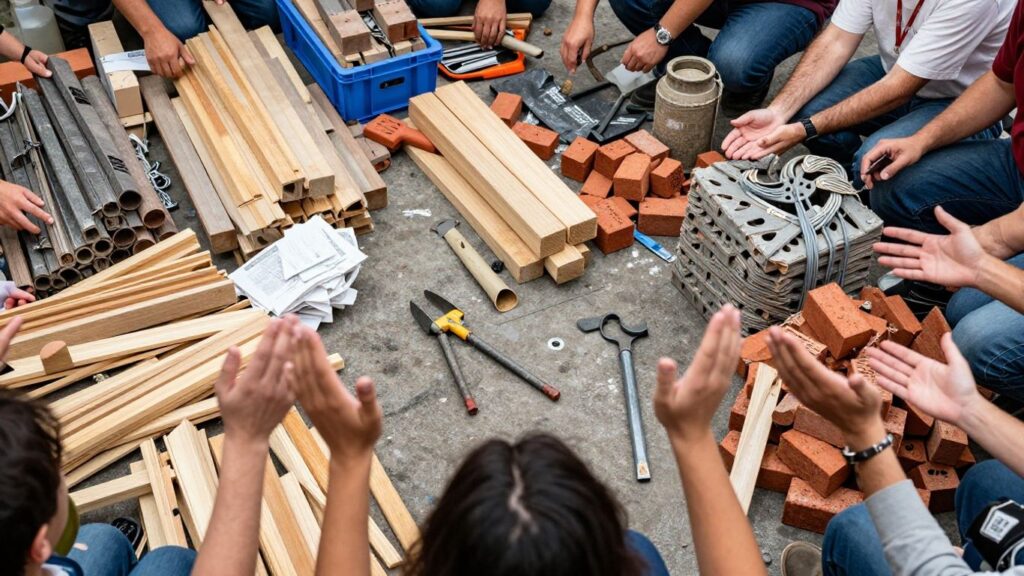
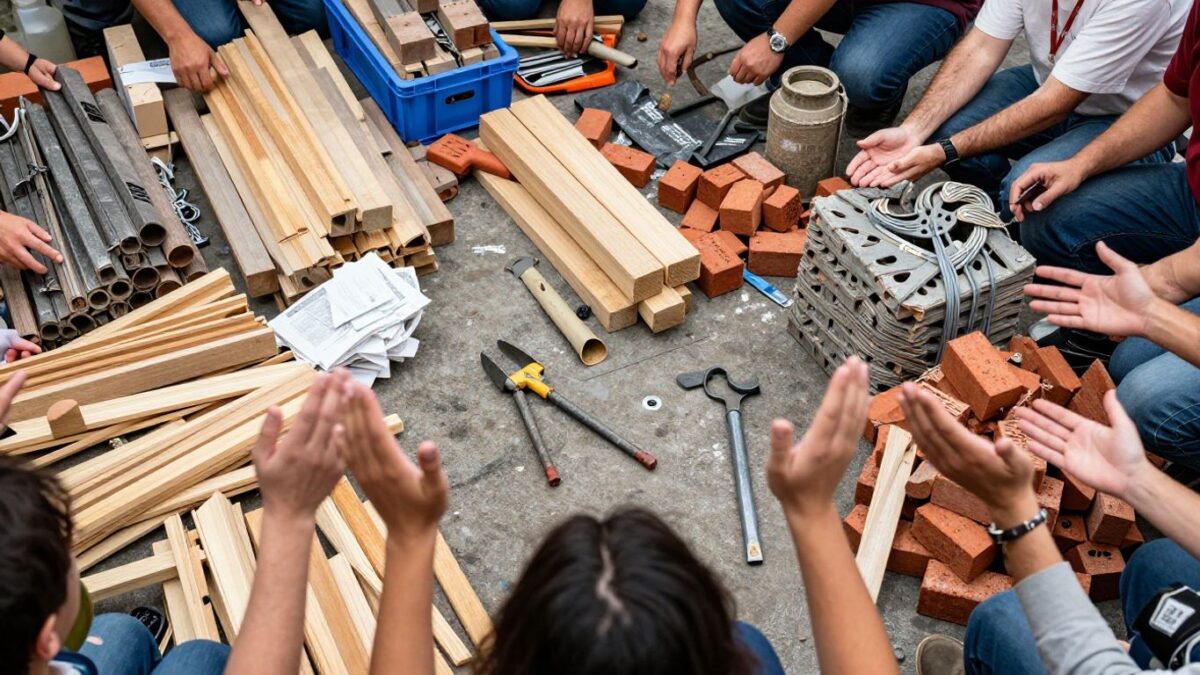
Building materials auctions are events where various construction and home improvement items are sold to the highest bidder. These auctions can be a fantastic way to source materials for your next project, whether you’re a seasoned contractor or a weekend DIYer. You can often find items at significantly lower prices than retail. Think of it as a treasure hunt for everything from lumber and fixtures to tools and hardware. The inventory comes from various sources, including manufacturers with overstock, contractors clearing out surplus, and even individuals with leftover materials from their own projects. This variety means you never quite know what you’ll find, adding an element of excitement to the process.
Benefits of Attending Auctions
Attending building materials auctions offers several advantages. The most obvious is the potential for significant cost savings. Prices can be a fraction of what you’d pay at a traditional store, allowing you to stretch your budget further or get higher quality materials for the same price. Auctions also provide access to a wide range of items, sometimes including discontinued or hard-to-find products. It’s a great way to find unique pieces for a renovation or to stock up on essentials. Plus, the competitive bidding environment can be quite engaging.
Here’s a quick look at what makes auctions appealing:
- Cost Savings: Often find items at 50% off or more compared to retail.
- Variety: Access to a broad selection of new and surplus materials.
- Unique Finds: Discover items not readily available in regular stores.
- Sustainability: Gives a second life to perfectly good building supplies.
What to Expect at an Auction
When you go to a building materials auction, expect a dynamic environment. Auctions can be held in person or online, and each has its own rhythm. For in-person events, you’ll typically have a chance to inspect the items before bidding begins. This is your opportunity to check the quality and condition of everything. Bidding itself can be fast-paced, so it’s good to be prepared. You’ll need to register to bid, and payment is usually expected shortly after winning an item. Be sure to check the auction’s specific rules regarding pickup times and procedures, as items often need to be collected within a few days.
Auctions are a marketplace where supply and demand dictate prices in real-time. Being informed and prepared is key to making smart purchases and avoiding impulse buys that you might regret later. Always have a plan before you start bidding.
Finding these opportunities often involves looking at local auction house listings or checking specialized online platforms that focus on building supplies.
Types of Building Materials Available
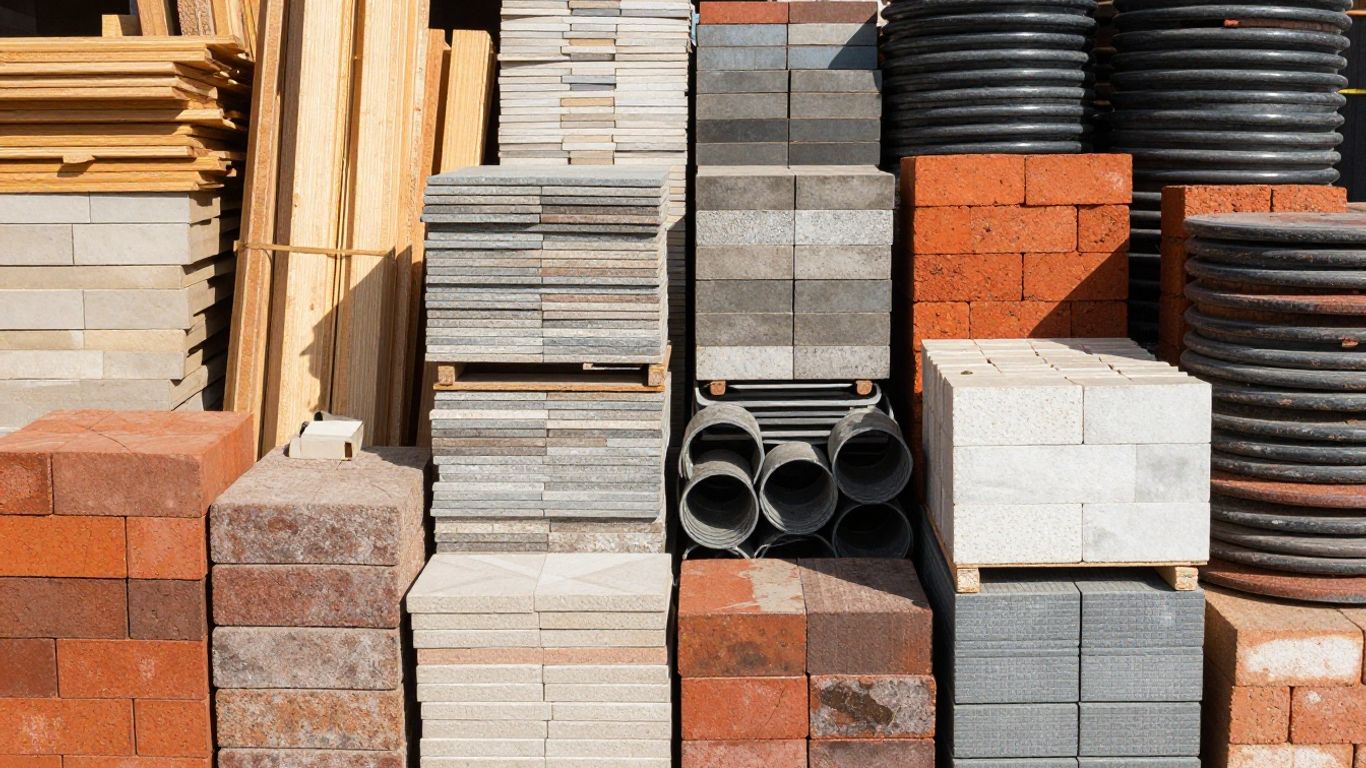
Building material auctions are a treasure trove for anyone looking to get more bang for their buck on construction and renovation projects. You can find a wide range of items, often at prices significantly lower than retail. The inventory can vary greatly from auction to auction, so it’s always a good idea to check the listings beforehand to see what’s being offered.
Lumber and Wood Products
This is often a big draw for auctions. You might find dimensional lumber like 2x4s, 2x6s, and plywood, sometimes in full bundles. Keep an eye out for specialty wood too, like live-edge slabs for custom furniture or reclaimed wood for unique architectural features. It’s not uncommon to see pallets of framing lumber or bundles of OSB sheathing.
Home Fixtures and Appliances
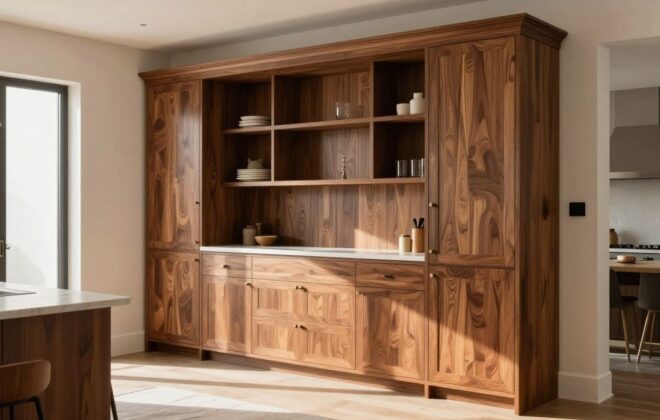
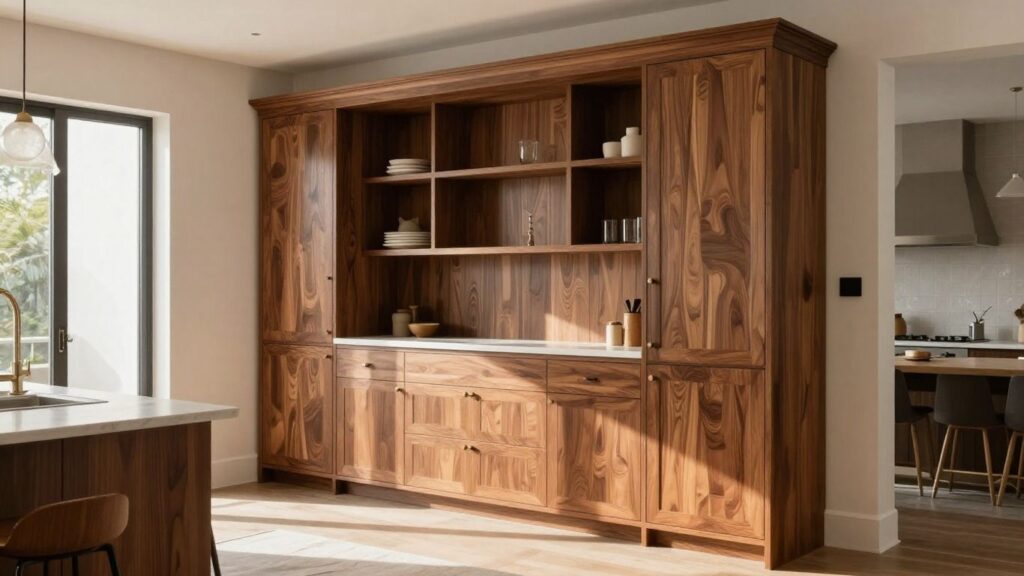
Auctions can be a great place to source items for kitchens and bathrooms. Think full kitchen cabinet sets, sometimes brand new and still in packaging. You might also find individual appliances like refrigerators, dishwashers, or ovens, often as overstock or discontinued models. Sinks, faucets, and toilets are also frequently available.
Flooring, Roofing, and Windows
Looking to update your floors? Auctions often have leftover or surplus flooring materials such as tile, laminate, or hardwood. Roofing supplies, including shingles, underlayment, and house wrap, can also appear. Similarly, you might find new windows and doors, sometimes in various standard sizes, which can be a significant saving compared to buying from a big box store.
Tools and Hardware
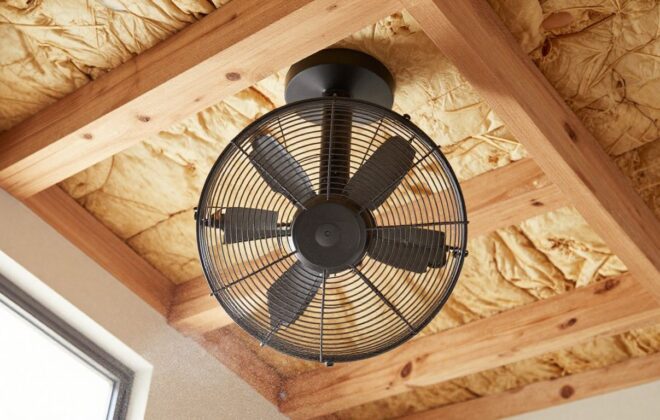
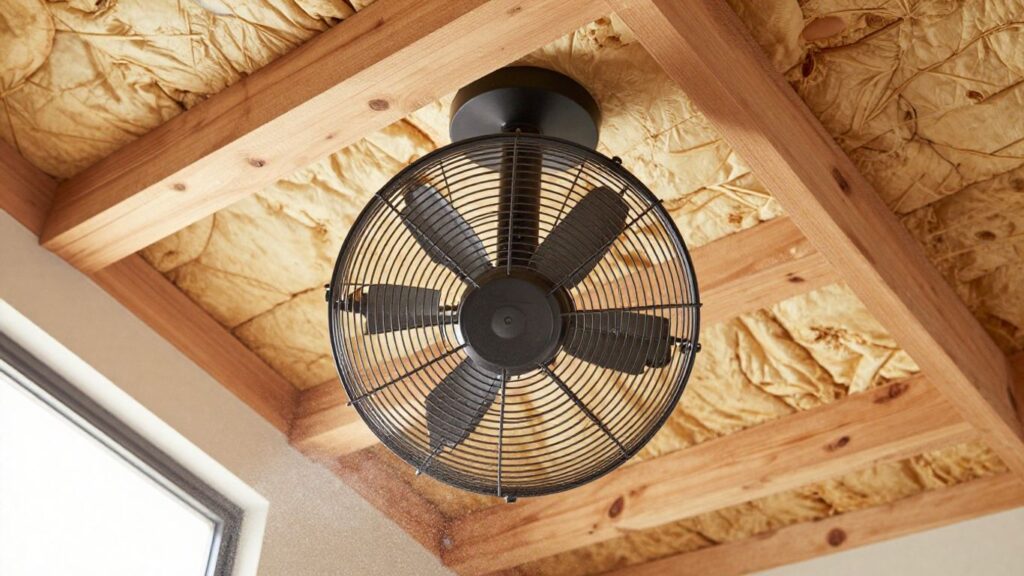
Beyond the big-ticket items, auctions are a good source for the smaller things that add up. You can often find boxes of nails, screws, fasteners, and other hardware. Power tools, hand tools, and even shop equipment like generators or air compressors sometimes show up, especially if a contractor is liquidating inventory. Lighting fixtures and ceiling fans are also common finds.
Finding Local Building Material Auctions
So, you’re looking to score some deals on building materials, huh? It’s not as complicated as it might seem. There are a few main ways to find these auctions happening near you. You just need to know where to look.
Online Auction Platforms
Lots of auction houses now list their upcoming sales online. This is super handy because you can browse from your couch. You’ll find everything from big-name auctioneers to smaller, local outfits. They often have websites where they post their schedules, item previews, and sometimes even allow you to bid remotely. It’s a good idea to check these platforms regularly, as new auctions pop up all the time.
- AuctionTime.com: This site lists a wide variety of auctions, including many for construction equipment and building supplies.
- Proxibid.com: Another large platform that hosts auctions from many different companies. You can filter by category and location.
- HiBid.com: Similar to Proxibid, this site connects buyers with auctioneers across the country.
Local Auction House Listings
Don’t forget about the old-school method: checking out local auction houses directly. Many of these places specialize in liquidating inventory from businesses or contractors. They might not have the slickest websites, but they often have the best deals. A quick search for "building material auctions" in your area should bring up some results. Some might focus on specific items like lumber, while others have a broader range.
It’s worth calling them up or visiting their physical locations to see what they have coming up. Sometimes, they’ll have flyers or bulletin boards with upcoming sale information.
Government Surplus Auctions
Government agencies, at both the federal and local levels, often sell off surplus building materials. This can include items from construction projects, seized property, or decommissioned facilities. These auctions can be a goldmine for materials like lumber, plumbing fixtures, electrical supplies, and even heavy equipment. The process can sometimes be a bit more bureaucratic, but the savings can be significant.
- General Services Administration (GSA) Auctions: The GSA sells surplus federal property. You can find building materials and other items on their website.
- State and Local Government Surplus: Many states and cities have their own surplus property divisions. Check your state’s official website for details.
Finding the right auction often involves a bit of digging. Don’t be afraid to explore different avenues and see what works best for your needs and location. The key is to be persistent and keep an eye out for opportunities. You never know when that perfect deal on lumber or those kitchen cabinets you need will show up. Remember to always check the auction details for specific dates, times, and locations. It’s also a good idea to see if they allow pre-auction inspections so you can check out the goods beforehand. This helps you know exactly what you’re bidding on and avoid any surprises later on.
Preparing for Building Material Auctions
Going to a building materials auction can be a great way to save money, but you need to go in prepared. It’s not like just walking into a store. You have to know what you’re looking for and how much you’re willing to spend. Without a plan, it’s easy to get caught up in the excitement and overspend, or worse, buy something you don’t actually need.
Creating Your Materials List
Before you even think about attending an auction, sit down and make a list of everything you need for your project. Be specific. Instead of just writing "wood," list "2x4s, 8-foot lengths" or "plywood, 4×8 sheets, 3/4 inch." This list is your roadmap. It helps you stay focused and avoid impulse buys. Think about the quantities too. How many linear feet of trim do you need? How many square feet of tile? Having this information handy will make your auction experience much more productive.
Setting a Budget
This is probably the most important step. Auctions can be thrilling, and it’s easy to get into a bidding war. Decide beforehand the absolute maximum you are willing to spend on each item or category of items. Write these numbers down. It’s also a good idea to set an overall budget for the entire auction. Remember that auction prices can fluctuate, and sometimes the "deal" isn’t as good as it seems once you factor in buyer’s premiums or transportation costs. Stick to your budget, no matter how tempting it is to go over.
Inspection and Pickup Procedures
Most auctions allow you to inspect items before bidding. Take advantage of this time. Look closely at the materials. Are the lumber pieces warped? Are the appliances new in the box or floor models? Check for damage, missing parts, or defects. Don’t be afraid to ask questions if the auction staff can provide answers. Also, understand the pickup rules. Many auctions require you to remove your items the same day or within a short timeframe. Make sure you have a way to transport your purchases. If you’re buying large quantities of lumber or heavy fixtures, you’ll need a suitable vehicle and possibly help to load them.
Here’s a quick checklist for inspection:
- Lumber: Check for warping, cracks, and rot.
- Fixtures (Sinks, Toilets, Tubs): Inspect for chips, cracks, and ensure all necessary parts are present.
- Appliances: Verify they are new, in the box, and check for any visible damage.
- Flooring/Tile: Ensure the boxes are sealed and that you have the correct quantity and style.
- Windows/Doors: Look for damage to frames, glass, and hardware.
Always remember that auction items are typically sold "as-is." This means you’re buying them in their current condition, and there are usually no returns or exchanges. Thorough inspection is your best defense against buyer’s remorse.
Maximizing Savings at Auctions
Attending building material auctions can be a fantastic way to get quality supplies for less, but knowing how to work the system can make a big difference in your final savings. It’s not just about showing up; it’s about being prepared and smart.
Understanding Auction Styles
Auctions come in a few different flavors, and knowing which one you’re in helps you bid effectively. The main types you’ll encounter are:
- Live Auctions: These are the traditional, in-person events. An auctioneer calls out bids, and you raise your hand (or use a paddle) to bid. They move quickly, and you can often inspect items right before they go up for sale.
- Online Auctions: These happen over the internet, often with a set end time. You place your bids electronically. Some online auctions are "timed," meaning they end at a specific time, while others might have an "extended bidding" feature that adds time if someone bids near the end.
- Absolute Auctions: In this format, everything sells to the highest bidder, no matter what. There are no minimum bids or reserves. This is where you can find some of the best deals, but it also means you need to be careful not to overbid.
- Reserve Auctions: Here, the seller sets a minimum price. If the bidding doesn’t reach that price, the item doesn’t sell. You won’t know the reserve price beforehand, which can make it harder to gauge a good deal.
Identifying High-Value Items
Spotting the real gems among the piles of materials takes a bit of practice. Look for items that are in good condition and are things you actually need. Sometimes, slightly damaged items can be repaired or used for parts, offering even more savings. Don’t overlook items that are new-in-box or still in their original packaging, as these are often the best finds. Also, consider bulk purchases; sometimes buying a larger quantity can significantly reduce the per-unit cost.
Negotiating and Bidding Strategies
Bidding is an art. Always have your materials list and budget firmly in mind before you start. Don’t get caught up in the excitement and bid more than you planned. Start with lower bids and gradually increase them if necessary. For live auctions, watch the auctioneer and other bidders to gauge the pace and competition. For online auctions, set your maximum bid and let the system work for you. It’s also wise to factor in any potential costs for transportation or minor repairs when determining your maximum bid.
Remember that the final price includes not just your winning bid but also any buyer’s premiums, taxes, and potential delivery fees. Always calculate the total cost before placing a bid.
Here’s a quick guide to help you strategize:
- Research: Know the retail value of the items you’re interested in.
- Set Limits: Decide on your absolute maximum price for each item or category.
- Inspect: If possible, examine items closely before bidding.
- Bid Smart: Don’t be the first to bid high; let others drive the price up initially.
- Know When to Walk Away: If the price goes beyond your budget, be prepared to let it go. There will be other auctions.
Who Buys at Building Material Auctions
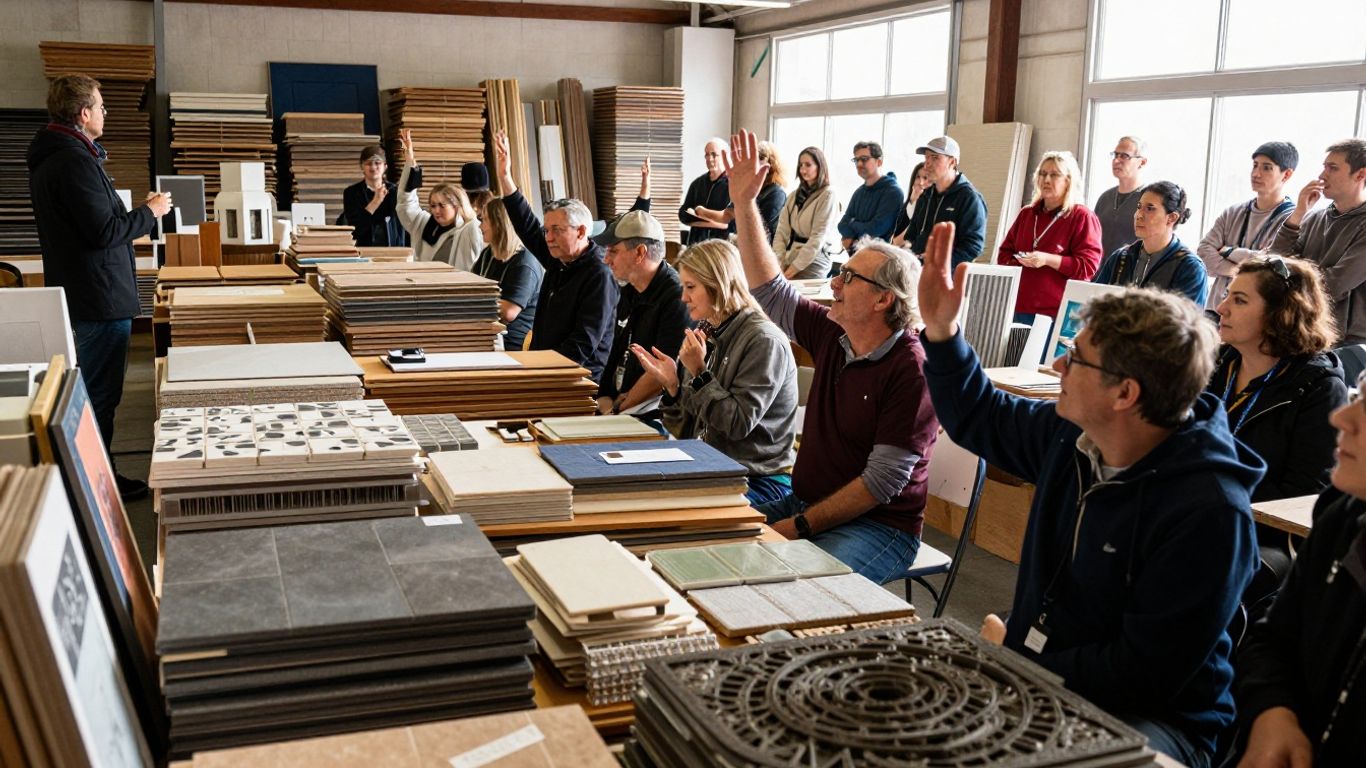
Building material auctions attract a diverse crowd, all looking for a good deal on supplies. It’s not just for the pros, though they are certainly a big part of it.
Contractors and Builders
Professional contractors and builders are frequent attendees. They know that auctions can be a goldmine for sourcing materials in bulk at prices that significantly beat retail. This allows them to keep their project costs down, which can mean better bids for their clients or a larger profit margin for themselves. They often come with specific lists of what they need, from framing lumber to roofing shingles, and are adept at spotting quality items even when they’re mixed in with other lots.
Homeowners and DIY Enthusiasts
For homeowners planning renovations or tackling DIY projects, auctions offer a chance to get high-quality materials without the high price tag. Whether you’re remodeling a kitchen, building a deck, or just need a few specific items, you can often find exactly what you’re looking for. It’s a great way to stretch a budget further, allowing for more ambitious projects or simply saving money on everyday repairs. The thrill of the bid can also be part of the fun.
Real Estate Investors
Real estate investors, including house flippers and landlords, also find auctions incredibly useful. They need to acquire materials for repairs and upgrades efficiently and affordably. Auctions provide a consistent source for items like flooring, cabinets, windows, and fixtures needed to get properties ready for sale or rent. The ability to buy in volume or find unique pieces can be a significant advantage in the competitive real estate market.
Common Auction Finds for Various Buyers:
- Contractors: Large quantities of lumber, roofing, drywall, insulation, windows, doors.
- Homeowners: Kitchen and bath fixtures, flooring, paint, smaller tool lots, decorative items.
- Investors: Appliances, cabinets, flooring, windows, doors, fencing, landscaping materials.
Attending auctions requires a bit of preparation. Knowing what you need and setting a firm budget beforehand is key to making smart purchases and avoiding impulse buys that you might regret later.
Are you a contractor, flipper, or DIYer looking for amazing deals on building materials? Our auctions are the perfect place to find everything you need to complete your next project without breaking the bank. From lumber and fixtures to tools and more, you’ll discover incredible savings. Visit our website today to see our latest auction listings and start saving!
Wrapping Up Your Building Material Search
So, you’ve learned about a great way to find building materials for less. Auctions can be a smart move whether you’re a pro contractor or just working on a home project. Keep an eye out for local sales, check what’s available, and you might just snag some fantastic deals on everything from lumber to kitchen cabinets. It’s a good way to stretch your budget and get the supplies you need.
Frequently Asked Questions
What kind of building stuff can I find at auctions?
Auctions often have a wide variety of building materials. You might find lumber, cabinets, sinks, toilets, flooring, tiles, windows, doors, and even appliances. Sometimes, you can even find tools and hardware for your projects.
Are building material auctions really cheaper than stores?
Yes, often you can find great deals at auctions, sometimes for much less than you’d pay at a regular store. This is because sellers might be getting rid of extra stock, or items might be from past-season collections.
How do I know if the materials are good quality?
Many auctions let you inspect the items before you bid. It’s a good idea to go and check things out yourself. Look for any damage or missing parts. If it’s an online auction, read the descriptions carefully and look at all the pictures.
Can anyone bid at these auctions?
Generally, yes! Whether you’re a professional builder, a DIY enthusiast working on your home, or just someone looking for a good deal, auctions are open to everyone. You usually just need to register to bid.
What should I do before going to an auction?
It’s smart to make a list of what you need for your project. Also, decide how much you’re willing to spend (your budget) so you don’t overspend. Knowing this will help you focus on the items you really need.
How do I find auctions near me?
You can search online for ‘building material auctions near me.’ Also, check the websites of local auction houses, or look for government surplus auctions in your area. Sometimes, construction companies or big box stores have sales too.