Home Depot Lumber Prices Chart: Understanding Costs for Your Next Project
Planning your next project means figuring out the costs, and lumber is a big part of that. Home Depot is a go-to spot for many, but lumber prices can shift. This article looks at a home depot lumber prices chart and what it means for your budget. We’ll break down how things like tariffs and Home Depot’s own choices affect what you pay, and how you can plan ahead.
Key Takeaways
- Home Depot aims to keep most material prices steady despite new tariffs, but might drop items that become too expensive to import.
- While overall prices may be stable, specific materials like aluminum fencing and softwood lumber are seeing bigger price jumps.
- Contractors should think about having extra stock of common materials in case Home Depot stops selling certain items.
- Diversifying where you buy materials from, not just relying on one store, is a smart move for stability.
- Adjusting how you estimate project costs and communicate with clients about potential material changes is important.
Understanding Home Depot Lumber Prices Chart
Home Depot’s approach to pricing, especially concerning lumber and other building materials, is something many contractors and DIYers keep a close eye on. It’s not just about the sticker price; a lot goes into how those numbers end up on the shelf.
Tariff Impact on Material Costs
New tariffs have definitely put a strain on material costs across the board. While Home Depot has stated they plan to keep prices stable for many items, this doesn’t mean costs aren’t shifting behind the scenes. They’re looking closely at what they stock, and if certain imported items become too expensive due to tariffs, they might just stop carrying them. This means while the price on the shelf might not jump immediately, the availability of specific products could change. For example, softwood lumber prices have seen an increase, and products like aluminum fencing have experienced even sharper rises. This selective approach means contractors need to be aware that not all products will be treated the same way.
Home Depot’s Pricing Strategy
Home Depot isn’t just passing new tariff costs directly onto customers for most products. Instead, they’re absorbing some of the impact and making strategic decisions about their inventory. This means they might discontinue items that become unprofitable due to increased import costs. For specialty contractors, this can be a double-edged sword. Price stability on commonly used items is helpful for bidding projects, but the potential removal of specific, perhaps niche, materials could cause headaches. It’s a balancing act for them, trying to maintain competitive pricing while also managing a shifting product line. This strategy is a bit different from how some other large retailers are handling the situation.
Specialty Contractor Considerations
For specialty contractors, understanding Home Depot’s pricing strategy and its relation to tariffs is pretty important. If you’re in a trade that relies heavily on specific imported materials, you need to pay attention. While Home Depot’s size allows them to absorb some costs, they’ve also signaled they’ll cut products that become too expensive. This could mean that certain types of hardwood flooring or specific fencing materials might become harder to find or might be replaced with alternatives. It’s a good idea to have backup suppliers in mind, maybe even looking into building material auctions for potential savings or alternative sources. Keeping an eye on price trends for materials like precast concrete or fabricated steel is also wise, as these can vary significantly.
Navigating Material Cost Changes
Material costs can shift, and it’s good to know what’s happening. Home Depot is trying to keep prices steady on many items, even with new tariffs. This means you might not see big jumps on everyday supplies. However, they’ve also said they might stop selling things that become too expensive to import. So, while some prices stay put, certain specialty items could disappear.
Softwood Lumber Price Trends
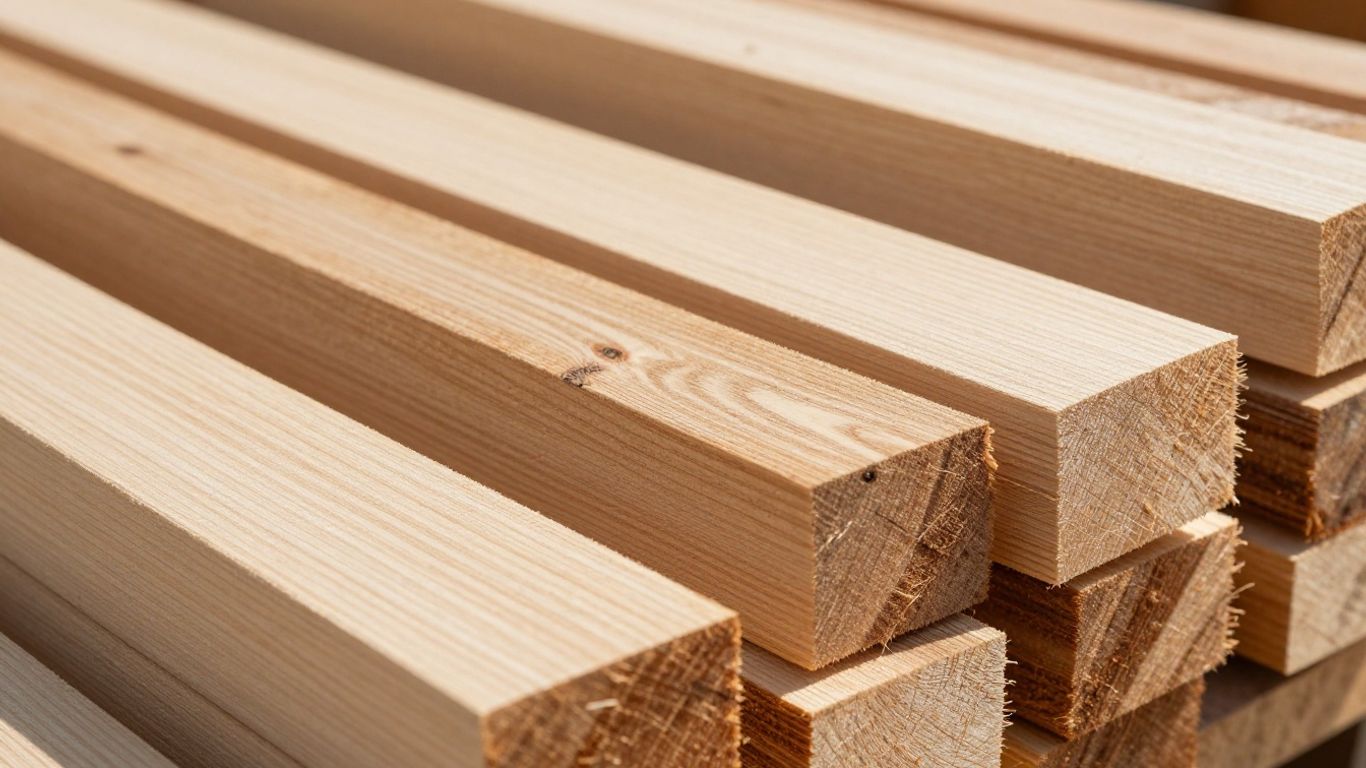
Softwood lumber prices have been on the rise. Over the past year, expect to see an increase of around 8.6%. This trend affects a lot of projects, from framing houses to building decks. Because lumber is such a common material, these changes can add up quickly for contractors.
Impact on Wood Fencing Materials
Wood fencing is directly tied to lumber prices. So, as lumber costs go up, so does the price of wood for fences. Home Depot is trying to source more materials domestically, which can help keep things a bit more predictable. Still, if you’re planning a wood fence project, it’s wise to budget a little extra.
Hardwood Flooring Contractor Challenges
For hardwood flooring contractors, the situation is a bit mixed. While some general lumber prices are increasing, the specific types of hardwood used for flooring can have their own price movements. Contractors need to stay informed about the specific species they use most often. Imported hardwoods might face more uncertainty due to tariffs and potential product line changes at stores like Home Depot. It’s a good idea to have a few different suppliers in mind, just in case your usual source has issues or stops carrying a particular type of wood.
Home Depot’s Strategic Sourcing and Inventory
Home Depot is making some interesting moves with how they get their materials and what they keep in stock, especially with all the talk about tariffs. It’s not just about having shelves full; it’s about smart planning.
Supplier Diversification Efforts
Home Depot is actively working to spread out where they get their products from. The goal is to not rely too heavily on any one country for their supplies. This means they’re looking for more suppliers, both here and abroad, to make sure they have a steady flow of materials. For us contractors, this could mean more options, but it also means we need to keep an eye on where things are coming from.
- They aim to have no more than 10% of their products coming from any single foreign country by mid-2026.
- This strategy helps them avoid big problems if one country’s supply chain gets disrupted or if tariffs change suddenly.
- It’s a big shift from how things might have been done before, focusing on stability.
Planning for Extra Building Materials
Because Home Depot might stop stocking certain items that become too expensive due to tariffs, it’s a good idea for us to think about keeping a bit more of what we use all the time. If you’re always using a specific type of lumber or a certain kind of fastener, it might be smart to buy a little extra when you can. This way, a project doesn’t get held up if Home Depot decides to phase out that particular product.
- Identify your most frequently used materials.
- Consider stocking up on these items, especially if you see price changes coming.
- Make sure you have a good system for tracking what you have so you don’t end up with too much of something you rarely use.
Keeping a bit of extra stock on hand for common items can prevent project delays and keep your clients happy, even when the supply chain gets a little shaky.
Inventory Management for Contractors
Managing your own inventory is more important than ever. It’s a balancing act. You don’t want to run out of critical supplies, but you also don’t want to tie up all your cash in materials sitting in your shop. Think about what you absolutely need for your typical jobs and what’s more of a specialty item. Maybe you keep more of the common stuff, and order the less common items as needed for specific projects. Using some kind of tracking system, even a simple spreadsheet, can really help you see what’s moving and what’s not.
| Material Type | Typical Usage | Recommended Stock Level | Notes |
|---|---|---|---|
| Framing Lumber (2×4) | High | 2-4 weeks supply | Monitor price fluctuations closely |
| Drywall Sheets | High | 1-2 weeks supply | Check availability after GMS acquisition |
| Fasteners (Screws) | High | 1-2 months supply | Buy in bulk when on sale |
| Specialty Trim | Low | Project-by-project | Order with lead time |
Impact on Different Construction Trades
The way Home Depot handles its pricing and inventory, especially with new tariffs, really shakes things up for different building jobs. It’s not a one-size-fits-all situation; some trades will feel the pinch more than others.
Foundation Repair Material Availability
For folks working on foundations, the picture is a bit mixed. We’ve seen prices go up for things like precast concrete and bricks. That’s a bit of a bummer, adding to project costs. On the flip side, concrete blocks seem to be more available, which could help balance things out. Overall, the cost index for foundation materials has actually dipped a little year-over-year. This suggests that Home Depot’s strategy might be working in favor of this sector, at least for now. It’s still smart to keep a close eye on what you need and maybe buy in larger quantities when the price is right.
Roofing Material Price Stability
Roofing contractors might want to keep their backup plans ready. While Home Depot isn’t specifically calling out roofing materials in their tariff response, the general idea is that they might stop stocking items that become too expensive to sell profitably. This could mean certain types of roofing shingles or underlayment could become harder to find or more costly. It’s a good idea to build relationships with other suppliers, just in case.
Aluminum Fencing Price Increases
Aluminum fencing is one of those areas where we’re seeing some pretty noticeable price jumps, around 17.9%. Because of this, it’s a prime candidate for Home Depot to re-evaluate its product lineup. If you’re a contractor who does a lot of aluminum fencing work, you’ll want to pay close attention to what’s available and how prices are moving. Wood fencing, which is more tied to general lumber prices, has seen smaller increases, and Home Depot’s focus on domestic sourcing might offer a bit more stability there.
Adapting to Evolving Market Conditions
Enhancing Supply Chain Resilience
Today’s construction professionals are seeing how quickly the market can shift—whether it’s tariffs on imports, material shortages, or rising costs. It’s no longer enough to lean on a single supplier; you need options. Here’s how contractors are building resilience:
- Build relationships with multiple suppliers, not just one. If lumber or fencing materials go out of stock at Home Depot, you’ll want a backup.
- Join buying groups to pool purchasing power and get better terms.
- Look into direct buying programs with manufacturers for volume discounts and quicker delivery.
Being nimble with your supply chain means you can respond faster to unexpected shortages and price hikes, protecting both your margins and your customers’ timelines.
Adjusting Estimating and Bidding Practices
Accurately predicting costs has gotten trickier. Material prices change fast, so estimates need to shift, too. Try these steps:
- Include material cost contingencies in your quotes—expect prices to move, not just stay put.
- Shorten quote validity periods. If you give a bid, make sure it doesn’t linger for months while prices rise in the background.
- Keep open communication with clients about possible material substitutions in case supply issues suddenly pop up.
Sample Bid Estimate Contingency Table
| Item | 2025 Base Price | Contingency (%) | Final Estimate |
|---|---|---|---|
| Pressure-treated wood | $5.30/ft | 10% | $5.83/ft |
| Aluminum fencing | $19.20/ft | 15% | $22.08/ft |
| Hardwood flooring | $8.50/sq ft | 12% | $9.52/sq ft |
Leveraging Home Depot’s Expanded Services
Home Depot isn’t sitting still either—they’ve rolled out more delivery trucks, expanded distribution centers, and added pro-specific services. These changes matter:
- Use Home Depot’s improved delivery options for speedier jobsite drop-offs.
- Explore trade credit programs if managing cash flow is a concern.
- Tap into contractor desks and pro services at the store for tailored support and custom orders.
Taking advantage of new programs and services can help keep your projects on schedule—even when the market throws a curveball.
Market shifts demand creative solutions, not just in sourcing but in how you plan, price, and finish jobs. The folks who adapt—by mixing new tools with tried-and-true habits—are more likely to see steady work and fewer surprises as 2026 unfolds.
The market is always changing, and it’s important to keep up. We help you stay ahead of the curve by providing the best tools and materials for your projects. Ready to see how we can help your business grow? Visit our website today!
Wrapping Up Your Lumber Price Research
So, we’ve looked at how Home Depot is handling lumber prices and other materials with these new tariffs. It seems like they’re trying to keep things steady for most items, which is good news for contractors planning projects. But, they’re also being smart about what they keep in stock, so some specialty items might become harder to find if they get too expensive to import. This means it’s still a good idea to keep an eye on prices, maybe talk to a few different suppliers, and always have a backup plan for your materials. Knowing these trends helps you budget better and avoid surprises on your next job.
Frequently Asked Questions
Will Home Depot’s prices go up because of new tariffs?
Home Depot plans to keep prices steady for most items, even with new tariffs. They might stop selling some things if they become too expensive to bring in, but they’re trying not to raise prices on everyday items for customers.
How do tariffs affect lumber prices specifically?
Lumber prices, especially for softwoods, have been going up. While Home Depot tries to keep prices stable, these general market increases can still affect the cost of wood for your projects.
What should contractors do if Home Depot stops selling a material they need?
It’s smart for contractors to have backup plans. This means finding other suppliers or stores where you can get the materials you use often, just in case Home Depot decides not to sell them anymore.
Are all building materials affected the same way by price changes?
No, not at all. Some things, like aluminum products, have seen big price jumps. Others, like roofing materials, have only gone up a little. It really depends on what the material is and where it comes from.
How can I be sure about material costs when bidding on a job?
Since prices can change, it’s a good idea to add a little extra money in your bid for unexpected cost increases. Also, you might want to make sure your price quotes don’t stay valid for too long, so you’re protected if prices go up suddenly.
Does Home Depot offer any special help for contractors?
Yes, Home Depot has services for contractors, like better delivery options and ways to manage payments. They also have a large network of stores and distribution centers, which can be really helpful for getting the supplies you need.