Beyond the Big Box: Exploring the Largest Home Improvement Stores in 2026
Thinking about home improvement projects? You’ve probably seen those giant orange and blue signs everywhere. Home Depot and Lowe’s are the big players, no doubt about it. But what about the rest of the market? We’re looking at the largest home improvement stores in 2026, exploring how these giants stay on top and who else is making a splash in the industry. It’s a mix of massive scale, smart online moves, and some clever niche players.
Key Takeaways
- Home Depot and Lowe’s together make up over 80% of the home improvement market, showing a clear duopoly. Home Depot alone holds about 52% of the sales.
- Online shopping is a major factor now. Home improvement stores are investing heavily in their websites and delivery options to keep up with how people shop.
- Big stores like Home Depot have advantages because they buy in huge amounts, which helps with pricing and having a wide variety of products.
- Smaller, regional stores like Menards and specialized ones like Tractor Supply can still do well by focusing on specific areas or customer groups.
- To stay ahead, big stores are focusing on better delivery, offering their own brands, and making sure they have unique products that customers can’t find everywhere else.
Dominating the Home Improvement Landscape
The Unrivaled Market Share of Home Depot
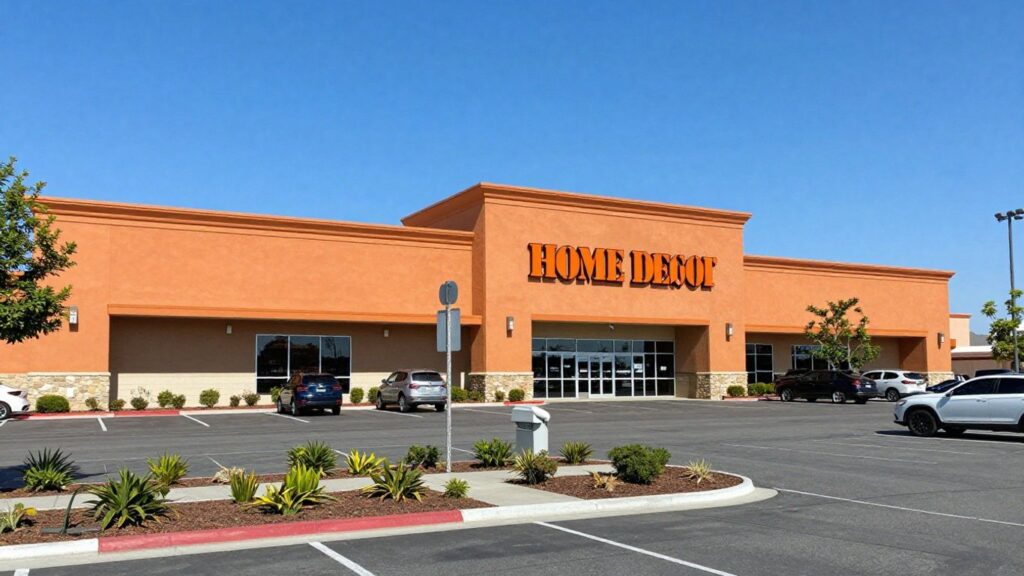
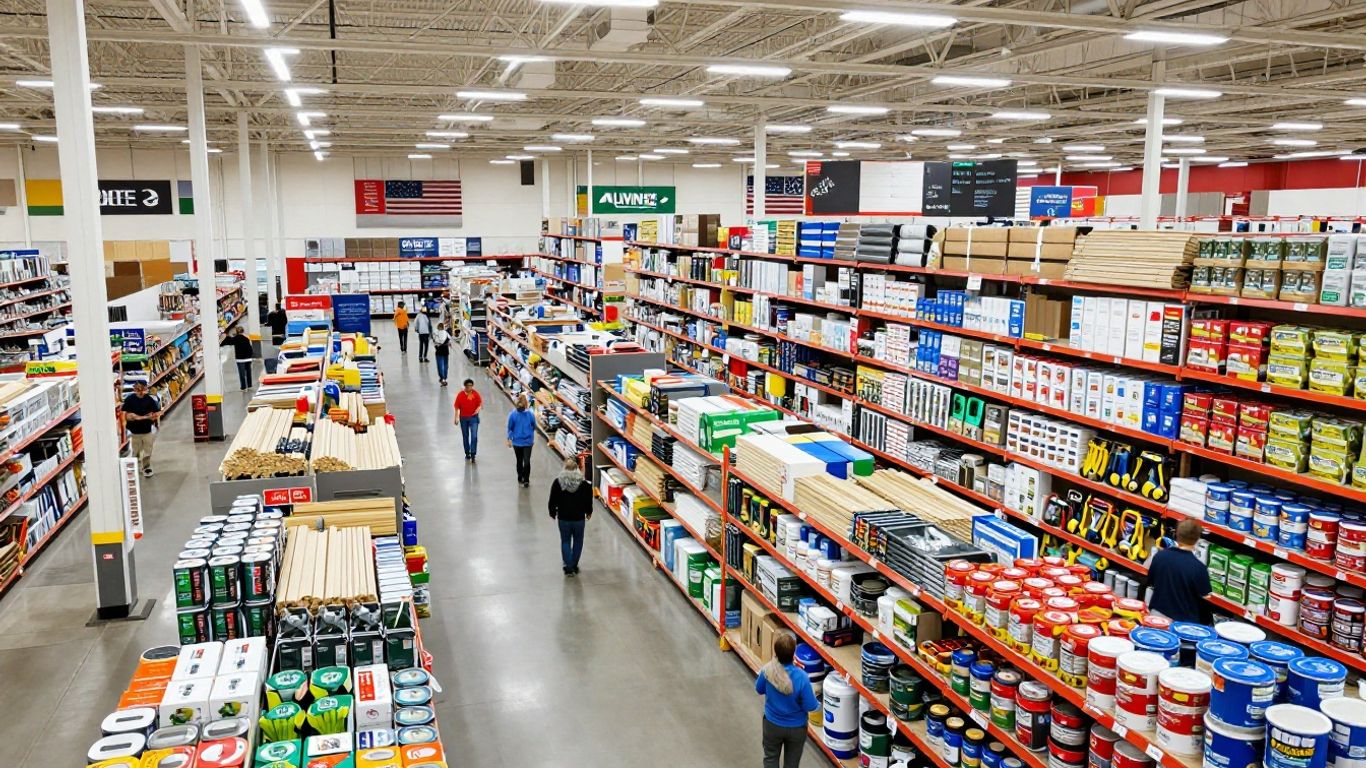
Home Depot’s orange signs are a familiar sight across the country, signaling a go-to spot for anyone tackling a home project, from minor repairs to major renovations. This Atlanta-based company has built an impressive lead in the U.S. home improvement market. It’s not just about having a lot of stores; it’s about capturing a huge portion of the sales. In fact, Home Depot accounts for about half of all the money spent in American home improvement stores.
This dominance is clear when you look at the numbers. Home Depot holds around 52% of the U.S. home improvement retail sector by revenue. To put that in perspective, its closest competitor, Lowe’s, has about 30%. In 2025, Home Depot’s U.S. sales were estimated to be between $149 billion and $153 billion, while Lowe’s was around $84 billion to $90 billion. This shows how these two companies work like a duopoly, making up over 80% of national sales in this industry. This scale gives Home Depot significant advantages, like getting better prices from suppliers due to high-volume buying and stocking a wider range of products than smaller stores can manage.
Lowe’s Position in the Market
While Home Depot leads the pack, Lowe’s remains a significant player in the home improvement sector. Holding roughly 30% of the market share, Lowe’s is the second-largest retailer in the industry. The company operates a vast network of stores, offering a wide array of products for home maintenance, repair, and remodeling. Lowe’s has focused on differentiating itself through various strategies, including its own private-label brands and exclusive partnerships with certain product manufacturers. This allows them to offer unique items and maintain competitive pricing. The company’s efforts to build out its online presence and improve its supply chain are also key to its strategy for staying competitive against Home Depot and other emerging threats in the retail space.
The Duopoly’s Impact on Competition
The strong market position of Home Depot and Lowe’s creates a landscape where competition is largely defined by their interactions. Together, they control over 80% of the home improvement store sales nationwide. This concentration means that smaller or regional players often find it challenging to compete on price or product selection across the board. However, this duopoly also drives innovation, as both giants constantly seek ways to attract and retain customers. They invest heavily in technology, customer service, and expanding their product lines to maintain their lead. This dynamic can lead to benefits for consumers through competitive pricing and a wide availability of goods, but it also means fewer truly independent large-scale options for shoppers.
The sheer size of Home Depot and Lowe’s allows them to negotiate favorable terms with suppliers, stock extensive inventories, and invest in large-scale marketing and technology initiatives. This creates a high barrier to entry for new competitors and puts pressure on existing smaller businesses to find specific niches or offer unique value propositions to survive.
The E-Commerce Effect on Retail Giants
Shifting Consumer Habits in Home Improvement
The way people shop for home improvement stuff has really changed. Not too long ago, if you needed lumber or a new appliance, you’d spend hours walking around a giant store, talking to employees, and maybe even renting a truck. That’s not how it works for a lot of us anymore. E-commerce has taken over, and even home improvement, which was a bit slow to get online, is seeing a huge boom in digital sales. People now look up products on their phones, compare prices easily, and order big items with just a few clicks. They expect the store to handle all the complicated delivery stuff. This whole shift got a big push from recent years, making stores add more options like picking up orders at the curb and getting things delivered. Online sales are now a major reason for growth in this industry.
Home Depot’s Omnichannel Strategy
Home Depot has been pretty good at handling this online shift. They’ve put a lot of effort into making their online and physical stores work together. This means you can look at tools or paint colors online, check if they have it at a store near you, and then buy it for pickup or delivery. They’ve built up their website and apps, and made sure picking things up in the store is quick and easy. This "omnichannel" approach, mixing online and in-store experiences, is key to competing with online-only sellers. They know people still want to see and touch certain items, like a power drill, before buying. So, they aim for a "phygital" experience, using the best of both worlds. They also see how social media and online videos inspire DIY projects, leading people to their stores for supplies. To keep up, Home Depot is adding more online guides and making sure popular project items are easy to find in their stores.
The Role of Online Sales Growth
Online sales are no longer just a small part of the business; they’re a big deal. It’s estimated that by 2025, about 16% of all retail sales in the U.S. happen online, and home improvement is part of that trend. Home Depot, in particular, has done a good job of keeping up with Amazon in the online space. They use their network of physical stores to help with online orders, whether it’s for pickup or local delivery. In fact, by 2025, more than half of Home Depot’s online orders were handled through their stores. This shows how important it is for big retailers to connect their online and physical presences to meet what customers want today.
| Metric | 2024 (Est.) |
|---|---|
| Online Sales Share | ~16% |
| BOPIS/Curbside Orders | >50% of Online Orders |
| Amazon’s Online Market Share (Hardware/Tools) | ~15.3% |
| Home Depot’s Online Market Share (Hardware/Tools) | ~10.9% |
| Lowe’s Online Market Share (Hardware/Tools) | ~6.9% |
Operational Scale and Financial Strength
The largest home improvement retailers in 2026 rely on their vast operational scale and solid financials to stand out. Being big isn’t just about having more stores; it’s about running them with real efficiency and impact. Here’s how players like Home Depot and Lowe’s set themselves apart on these fronts:
Home Depot’s Extensive Real Estate Footprint
Home Depot remains a leader thanks to its widespread presence. The company’s footprint stretches across almost every major city and well into countless suburbs.
- Home Depot has over 2,300 stores across North America.
- Each store can be as large as 100,000 square feet.
- More than 500,000 employees work for Home Depot worldwide.
| Company | US Store Count | Average Store Size (sq ft) | Annual Sales Per Store (est.) |
|---|---|---|---|
| Home Depot | 2,300+ | 100,000 | $60M+ |
| Lowe’s | 1,700+ | 112,000 | $36M+ |
| Menards | ~350 | 150,000 | $44M+ |
Operational scale—when managed with intention—lets retailers serve diverse markets without losing that local touch, even as their footprint grows ever larger.
Investment in Supply Chain and Technology
Retail giants continue to spend heavily on making their supply chains smarter and more responsive. In 2026, this means more than just faster delivery:
- Automation in warehouses to speed up restocking.
- Real-time tracking of inventory so popular items don’t sell out.
- Smarter logistics that bring costs down and reliability up.
Home Depot and Lowe’s also invest in tools that help managers tailor store inventory to local tastes rather than using a one-size-fits-all approach. Technology upgrades aren’t just flash—they’re shaping daily store operations and customer satisfaction in a big way.
Profit Margins and Bargaining Power
Size gives these big-box stores the upper hand in negotiations and keeps their financials strong, even in tough years. Here’s how scale turns into strength:
- They can demand better prices from suppliers by buying in bulk.
- Higher sales volumes let them spread out fixed costs more easily.
- Their strong brands allow them to invest in new stores or upgrades even when the market slows.
| Key Metric | Home Depot | Lowe’s |
|---|---|---|
| 2025 Gross Margin | 33.8% | 33.0% |
| Net Profit Margin | 10.4% | 8.6% |
With ongoing inflation and pressures on wages, maintaining profit will remain a challenge for everyone in this sector. But the sheer scale of these chains, and their ability to adapt, gives them an undeniable edge.
Beyond the Big Two: Niche Market Players
While Home Depot and Lowe’s dominate the national conversation in home improvement, the retail landscape is far from a simple two-player game. Several other companies have carved out significant market share by focusing on specific regions or customer needs. These niche players, though smaller in overall scale, demonstrate that a targeted approach can lead to strong customer loyalty and financial success.
Menards: A Midwestern Powerhouse
Menards stands out as a major player, particularly in the Midwest. This privately held company operates a substantial number of stores, often larger than typical big-box competitors, across about 15 states. They’ve built a reputation for competitive pricing and a strong emphasis on customer rebates, which effectively lowers the cost for frequent shoppers. While Menards doesn’t aim for national expansion, its deep roots and focus on dominating its home territory make it a formidable competitor to Home Depot and Lowe’s in the markets it serves. Its aggressive pricing strategy often forces larger chains to adjust their own prices locally.
Tractor Supply: Serving Rural Audiences
Tractor Supply Company takes a different approach, focusing on customers in rural areas and those involved in farming and outdoor lifestyles. Their stores are stocked with items like farm supplies, animal feed, and lawn equipment that you might not find at a standard home improvement store. With a vast network of locations, often in smaller towns, Tractor Supply has become the go-to retailer for a specific demographic. They’ve invested in logistics to handle bulky items and provide knowledgeable service, creating a unique customer experience that resonates with their target audience. This focus on specialized products and personalized service has allowed them to thrive outside the direct competition of the larger chains.
The Role of Specialty Retailers
Beyond these larger niche players, a variety of specialty retailers also play a role. These might include stores focused solely on paint, flooring, or specific types of tools. While their individual market share is small, they often succeed by offering deep product knowledge and personalized customer service that larger retailers may struggle to match. They cater to customers who have very specific needs or who value expert advice.
The success of these niche retailers highlights a key dynamic in the modern market: specialization can be a powerful strategy. By understanding and catering to a particular customer base or product category, companies can build strong brand loyalty and a defensible market position, even in the shadow of retail giants. This often involves a commitment to product expertise and a customer service model that prioritizes individual needs over sheer volume.
These companies demonstrate that while scale is important, understanding and serving a specific market segment effectively can be just as vital for long-term success in the home improvement sector.
Strategies for Maintaining Market Leadership
Big home improvement retailers have to keep moving forward if they want to stay on top. In 2026, the strongest players are focusing on three main areas: boosting their product selection, building up their own brands, and locking in deals only they can offer. Let’s get into what each approach looks like now.
Expanding and Curating Product Assortment
The days of just piling more products onto shelves are long gone. Leading retailers are taking a sharper approach—studying what customers grab most, what’s missing on the market, and where trends are headed.
- Regularly reviewing sales data helps catch popular items and spot dead weight.
- Retailers test new categories—garden storage, smart gadgets, eco-friendly paints—to see what clicks.
- Space is precious: slow-sellers get swapped out for in-demand items, so shelves are always fresh.
Growth often means focusing not just on more, but on the right kind of more.
There’s a mindset shift: it’s less about overwhelming choice and more about matching what shoppers actually want, right when they need it.
Developing Private-Label Brands
Private-label products aren’t just about cheaper options, though that’s still a big win for a lot of shoppers. Now, stores use these brands to fill in gaps and even push trends. Innovation in this space can be a real differentiator.
Here’s how private labels are making an impact:
- Higher margins: These products cost less to make and sell at competitive prices, but bring in better profit.
- Quality control: Stores can set their own standards (and fix things quick if complaints roll in).
- Standing out: A unique mix of private brands gives customers a reason to pick one store over another.
Securing Exclusive Brand Partnerships
One way to guarantee foot traffic is to offer something folks simply can’t get elsewhere. Exclusive partnerships can mean popular tool brands, designer hardware, or new-to-the-US product lines—whatever brings people in the door (or to the site).
| Store | Recent Exclusive Brands (2025-2026) |
|---|---|
| Home Depot | ToolPro, EcoLawn, and BuildRight Sinks |
| Lowe’s | MasterBoard, Ultrashade, and SmartYard |
| Menards | PureGuard Paints, PowerLawn Tools |
Benefits include:
- Driving repeat visits when the right exclusive brand hits.
- Creating buzz among DIY-ers and pros looking for something new.
- Helping stores negotiate better terms and even co-market products.
In 2026, staying on top is all about smart curation, owning more of what’s on the shelves, and giving shoppers unique reasons to return.
The Future of Home Improvement Retail
The home improvement landscape is always shifting, and the biggest players are working hard to stay ahead. It’s not just about having a lot of stores anymore. The game is changing, and retailers need to think about how people shop now and in the years to come. This means blending what you can do in a store with what you can do online, making it easy for customers no matter how they choose to shop.
Interconnected Retail: Bridging Physical and Digital
Think of it like this: you might see a cool DIY project on social media, then head to the store to pick out the materials, and maybe even order some of the bigger items online for delivery. That’s what “interconnected retail” is all about. Home Depot, for example, is investing a lot in making sure all these shopping methods work together smoothly. They’re building more warehouses and delivery centers so that over half of their online orders can get to customers the same day or the next day. This is a big deal because it means you can get what you need, when you need it, whether you’re in the store or on your couch. They even have an AI shopping assistant online now to help people find products and get advice, kind of like having a helpful associate right there with you.
Adapting to Evolving Customer Needs
Customers today expect more convenience and speed. They do their research online, compare prices, and want to buy with just a few clicks. This trend was already growing, but things like the pandemic really sped it up. Retailers have had to get better at offering options like buying online and picking up at the store, or having items delivered right to your door. It’s about meeting customers wherever they are. Younger homeowners, especially, are often inspired by online content and then look for the right products and tools to make their ideas happen. This creates a cycle where online inspiration drives people to physical stores, and retailers need to be ready for that.
Innovation in Fulfillment and Delivery
Getting products to customers quickly and reliably is becoming a major competitive advantage. Home improvement stores are pouring money into their supply chains. This includes building new logistics facilities and delivery hubs. The goal is to make sure that whether you’re buying a small bag of screws or a large appliance, it can be delivered fast. Some companies are even looking at future delivery methods, like using drones for certain items. It’s all part of making the shopping experience better and keeping customers coming back. The focus is on making the entire process, from browsing online to the final delivery, as easy and efficient as possible. This kind of investment is key to staying on top in the home improvement market.
The world of home improvement is changing fast! New ideas and cool products are popping up all the time, making it easier than ever to fix up your place. From smart home gadgets to eco-friendly materials, the future is all about making your home more comfortable, efficient, and stylish. Ready to see what’s next for your home? Visit our website today to explore the latest trends and find everything you need to make your dream home a reality!
Looking Ahead
So, as we wrap up our look at the biggest home improvement stores in 2026, it’s clear that while giants like Home Depot and Lowe’s continue to dominate, the landscape is always shifting. They’re investing heavily in getting products to us faster, whether we order online or pick them up in the store. But it’s not just about size anymore. Smaller, specialized stores and even online-only options are finding their place by focusing on specific needs or offering unique services. For homeowners tackling projects, this means more choices than ever. The big players are working hard to keep up with how we shop now, blending online convenience with the ability to see things in person. It’s a busy market, and staying on top of these changes will be key for everyone, from the DIY beginner to the seasoned pro.
Frequently Asked Questions
What are the biggest home improvement stores in the United States in 2026?
The largest home improvement stores in 2026 are Home Depot and Lowe’s. Home Depot is the biggest, with over 2,300 stores and about half of the market share. Lowe’s is second, with more than 1,700 stores. Menards and Tractor Supply are also important, but they are much smaller.
How has online shopping changed home improvement stores?
Online shopping has made a big difference. More people now look up products, compare prices, and buy items online. Stores like Home Depot have made it easy to order online and pick up in the store or have things delivered. This helps them keep up with Amazon and other online sellers.
What makes Home Depot and Lowe’s so successful?
Home Depot and Lowe’s are successful because they have a huge selection of products, low prices from buying in bulk, and lots of stores across the country. They also invest a lot in technology, fast delivery, and making shopping easy both online and in stores.
Are there any other big home improvement stores besides Home Depot and Lowe’s?
Yes, Menards is a large chain in the Midwest, and Tractor Supply is popular in rural areas. There are also many smaller, specialty stores that focus on certain products, like tools or garden supplies. These stores can’t match the size of Home Depot or Lowe’s, but they serve specific types of customers really well.
How do Home Depot and Lowe’s keep their top spots in the market?
They keep their lead by adding new products, making their own store brands, and working with popular brands that you can’t find anywhere else. They also spend a lot on improving their stores, training workers, and speeding up delivery.
What is the future of home improvement retail?
In the future, home improvement stores will blend physical and online shopping even more. Stores will use new technology to make shopping faster and easier, and they’ll keep looking for ways to meet changing customer needs, like offering more delivery options and helpful online tools.