
Navigating the World of FBM Supply: Your Ultimate Guide to Foundation Building Materials
So, you’re looking to get into the fbm supply game? It can seem like a lot at first, right? There’s a whole bunch of stuff to think about, from what you’re actually selling to how you’re going to get it to people. This guide is here to break it all down, making it easier for you to build a solid business. We’ll cover the basics of picking the right products, making sure they’re good quality, and getting them in front of customers. Plus, we’ll touch on pricing, keeping track of your stock, and protecting your brand. Let’s get started on building your fbm supply foundation.
Key Takeaways
- Picking the right products is step one for any successful fbm supply business. You need to know what people want and if you can actually make a profit selling it.
- Making sure your product listings look good and use the right words is super important so customers can find you on Amazon.
- You’ve got to figure out your costs precisely and set prices that work for you, not just what the next guy is charging.
- Keeping track of your inventory is a big deal. Too much stock costs money, and too little means lost sales.
- Protecting your brand with things like Amazon Brand Registry and understanding all the fbm supply fees are critical for long-term success.
Foundation Of A Profitable FBM Supply Business
Building a successful FBM supply business starts with a solid plan. It’s not just about having products to sell; it’s about understanding the market, your customers, and how to present your items effectively. Think of it like building a house – you need a strong base before you can add the walls and roof.
Strategic Product Selection
Choosing the right products is probably the most important first step. You don’t want to end up with a bunch of stuff nobody wants to buy. Look for items that people need regularly, not just things that are popular for a short time. Also, try to find products that aren’t already dominated by a few big sellers. If you can find a niche where you can offer something a little better or different, that’s a big plus.
- Price Point: Aim for products that retail between $15 and $85. Too cheap, and your profit margins get squeezed by fees. Too expensive, and people might hesitate to buy online without seeing it first.
- Market Gaps: Search for keywords that have a good number of people looking for them, but not many products that perfectly match what they need.
- Consistent Demand: Focus on items people buy all year round, like pet supplies or basic home goods, rather than seasonal items.
Finding the right product takes time and research, but it sets you up for much smoother sailing later on.
Market Analysis And Research
Before you invest in inventory, you need to know who you’re selling to and what they’re looking for. What are competitors doing? What prices are they charging? Are there any trends you can jump on? Doing this homework helps you avoid costly mistakes and figure out how to stand out.
- Competitor Review: See what other sellers in your chosen niche are doing well and where they might be falling short.
- Customer Feedback: Read reviews for similar products to understand what customers like and dislike.
- Trend Spotting: Keep an eye on general market trends that might affect demand for your products.
Understanding Customer Needs
Ultimately, you’re selling to people. What problems are they trying to solve with your product? What are their expectations when they buy online? If you can answer these questions, you can tailor your product selection, descriptions, and even your customer service to meet those needs. Happy customers are more likely to come back and recommend you.
- Identify the core problem your product solves.
- Consider the customer’s buying journey.
- Anticipate questions or concerns a customer might have.
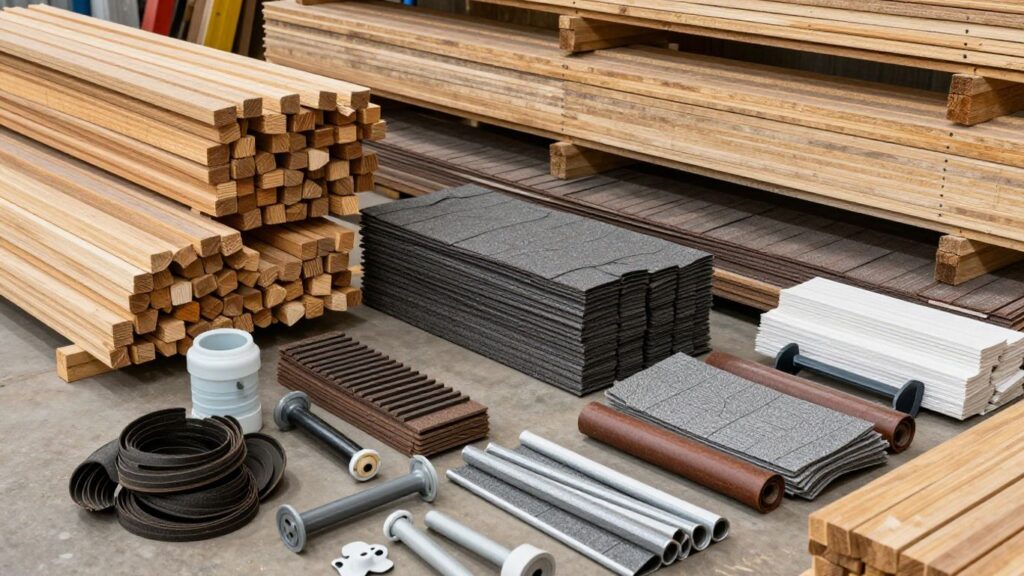
Essential Foundation Building Materials
Picking the right products to sell is like choosing the right bricks for a house. You want something solid, something people actually need, and something that won’t crumble under pressure. It’s not just about finding something cool; it’s about finding something that sells.
Identifying High-Demand Products
So, how do you find these golden products? It starts with looking at what people are already buying and what they’re complaining about. Think about it: if a lot of people are buying a certain type of water bottle but complaining that it leaks, that’s an opportunity. You can create a water bottle that doesn’t leak. Market research tools are your best friend here. They can show you which products have consistent sales and, importantly, which ones have a decent number of reviews but not so many that the market is completely locked down by big players. You’re looking for that sweet spot.
Here’s a quick way to think about it:
- Check competitor reviews: What are customers saying is wrong with existing products? These are your clues.
- Use keyword research tools: See what terms people are actually typing into Amazon. Are there a lot of searches for a specific item?
- Look at sales volume: Are similar products selling well? This indicates demand.
Don’t just guess what might sell. Use data. Look at what’s already popular and find a way to make it better or offer something unique that customers are asking for.
Sourcing Reliable Suppliers
Once you know what you want to sell, you need to figure out who will make it. Finding a good supplier is like finding a good contractor. You need someone dependable, who can produce quality work at a fair price, and who communicates well. Many sellers look overseas, especially to places like China, because that’s often where the costs are lower. But it’s not just about the cheapest option. You need to vet potential suppliers carefully. Ask for samples, check their production capacity, and make sure they understand your quality standards.
Quality Control In Manufacturing
This is where you can really set yourself apart. Even if you find a great product idea and a decent supplier, if the quality isn’t there, customers won’t come back. You need to have a plan for checking the quality of the products before they get shipped to you or your customers. This might mean visiting the factory if possible, or hiring a third-party inspection service. Consistent quality builds trust and reduces returns. It’s better to spend a little extra time and money upfront to make sure the products are good, rather than dealing with unhappy customers and damaged reputation later.
Optimizing Your Product Listings For Visibility

Getting your foundation building materials in front of the right eyes on Amazon is key. It’s not enough to just have good products; people need to find them. This means making your product listings work harder for you. Think of your listing as your digital salesperson, working 24/7. We need to make sure it’s persuasive and easy for both shoppers and Amazon’s search system to understand.
Keyword Research And Integration
Customers search using specific words and phrases. Finding out what those are is the first step. You can use tools to see what terms people are actually typing into Amazon when looking for things like concrete mix or rebar. Once you have a list, you need to weave these keywords naturally into your listing. The product title is the most important place for this. It should include your main keyword, a key benefit, and any important specs like size or quantity. Don’t forget your brand name too.
Here’s a breakdown of where to put keywords:
- Title: Your primary keyword, main benefit, key features, brand name.
- Bullet Points: Secondary keywords, benefits, use cases.
- Product Description: More details, related terms, brand story.
- Backend Search Terms: Synonyms, variations, common misspellings, related products.
Compelling Product Descriptions
After someone clicks on your listing, the bullet points and description are what convince them to buy. Instead of just listing features, focus on the benefits. How does your product solve a problem for the customer? For example, instead of saying "Waterproof coating," explain "Keeps your foundation dry, preventing mold and water damage." Make it clear what the customer gains.
Customers don’t just buy materials; they buy the finished structure, the safety, and the longevity that those materials provide. Your description should paint a picture of that successful outcome.
High-Quality Visuals And Videos
People buy with their eyes, especially online. Your main product image needs to be clear and show exactly what you’re selling. If you sell bags of concrete, the image should clearly show the bag and its branding. Adding more images that show the product in use or highlight specific features can also help. Videos are becoming more important too. A short video showing how to use a tool or demonstrating the strength of a material can make a big difference in convincing a buyer. It helps build trust and shows the product’s value more effectively than text alone.
Pricing Strategies For Profitability
Setting the right price for your foundation building materials is more than just picking a number; it’s a strategic move that directly impacts your bottom line. You need to balance attracting customers with making sure you’re actually turning a profit. It’s a bit of a dance, really.
Calculating Total Landed Costs
Before you can even think about a selling price, you’ve got to know your total landed cost. This is everything it costs to get your product from the manufacturer into the hands of your customer. It includes:
- Product Cost: What you pay the manufacturer.
- Shipping Costs: From the manufacturer to your location or Amazon’s warehouse.
- FBM Fees: Any fees associated with fulfilling the order yourself (packaging, handling, etc.).
- Customs and Duties: If importing.
- Marketing Costs: Advertising spend, promotional discounts.
Understanding your total landed cost is the absolute first step to pricing anything profitably. If you don’t know this number, you’re just guessing.
Competitive Pricing Analysis
Once you know your costs, you need to see what everyone else is charging for similar items. Look at your direct competitors on Amazon and elsewhere. What are their prices? What are they offering for that price? Are they using FBM or FBA? This isn’t about being the cheapest; it’s about understanding the market value. Sometimes, a slightly higher price is justified if you offer better quality or a more complete package. For example, if you’re selling custom cabinets, you might price higher than mass-produced options if your craftsmanship is superior, like those found in Owensboro, KY.
Achieving Healthy Profit Margins
With your landed costs and competitor pricing in hand, you can now set a price that allows for a healthy profit margin. A common approach is to aim for a specific percentage above your total landed cost. For instance, if your total landed cost for a product is $10 and you want a 30% profit margin, your selling price would need to be around $14.28 ($10 / (1 – 0.30)). However, you also need to factor in the competitive landscape. A good rule of thumb is to price between $15 and $85 for many products, as prices below this can be tough to profit from due to fixed costs, and prices much higher might deter impulse buys.
Pricing is a dynamic process. What works today might not work tomorrow. Regularly review your costs, competitor pricing, and sales performance. Adjust your prices as needed to stay competitive and profitable. Don’t be afraid to experiment with different price points, especially during product launches, using tools like coupons or Prime Exclusive Discounts to test demand.
Here’s a simple breakdown:
- Calculate Total Landed Cost: Sum of all expenses to get the product to the customer.
- Analyze Competitor Pricing: See what similar products are selling for.
- Determine Target Profit Margin: Decide how much profit you want to make per item.
- Set Selling Price: Calculate a price that covers costs, provides profit, and is competitive.
- Monitor and Adjust: Keep an eye on sales and market changes, and tweak prices accordingly.
Inventory Management Best Practices
Keeping track of your stock is a big deal when you’re selling through FBM. If you run out of something, you lose sales, and worse, Amazon might push your product down in search results. On the flip side, having way too much stuff sitting around means you’re paying extra storage fees, which eats into your profits. It’s a balancing act, for sure.
Forecasting Initial Inventory Orders
When you’re first starting out with a product, figuring out how much to order can feel like guesswork. You don’t want to order so little that you sell out in the first week, killing your launch momentum. But ordering too much ties up your cash and leads to those pesky storage fees. A good starting point is to look at what similar products are selling and factor in your planned advertising spend. It’s generally better to have a little extra than not enough. Think about ordering enough to cover at least 30 to 60 days of expected sales, including any boost from ads.
Avoiding Stockouts and Overstocking
This is where the real work is. You need a system to know when to reorder. Watching your sales velocity – how fast things are selling – is key. You also need to know how long it takes for your supplier to make and ship more product (lead time). If a product sells quickly and takes a long time to restock, you need to order more, sooner. Setting up alerts can help. Some sellers use software that tells them when inventory hits a minimum level, prompting them to order up to a set maximum. This helps keep things topped up without going overboard.
The cost of having too much inventory is usually less than the cost of running out completely, especially when you consider lost sales and damage to your product’s ranking on Amazon.
Monitoring Sales Velocity
Regularly checking how fast your products are selling is non-negotiable. This data helps you predict when you’ll need more stock. It also tells you which products are popular and which are just taking up space. If a product isn’t moving, you might need to adjust your marketing or pricing, or even consider discontinuing it to free up capital and storage space. Keep an eye on trends, especially around holidays or special events, as demand can change quickly.
Here’s a simple way to think about it:
- Fast Movers: Products selling consistently well. Keep these well-stocked, but watch for signs of slowing demand.
- Slow Movers: Products with low sales volume. Analyze why they aren’t selling and consider promotional activities or reducing stock.
- New Products: Monitor initial sales closely to gauge demand and adjust reorder points quickly.
- Seasonal Items: Plan inventory well in advance for peak seasons and be prepared to clear stock afterward.
Securing Your Brand And Operations

With your product ready and listings optimized, it’s time to think about protecting what you’ve built and how you’ll manage the day-to-day. This part is about making sure your brand stays yours and that your operations run smoothly.
Amazon Brand Registry Essentials
Think of Amazon Brand Registry as your digital security system for selling on the platform. It’s not just a nice-to-have; it’s pretty important for keeping unauthorized sellers from messing with your listings. Once you’re enrolled, you get more control over your product pages – things like titles, images, and descriptions. This helps stop counterfeiters and keeps your brand looking consistent.
To get into Brand Registry, you’ll need a registered trademark. This is the key that unlocks the program’s protections. Without it, you’re basically leaving your brand vulnerable.
Understanding FBM Fees
When you sell using Fulfillment by Merchant (FBM), you handle the storage and shipping yourself. Amazon charges fees for this, which are different from Fulfillment by Amazon (FBA) fees. It’s important to know these costs so you can price your products correctly and make sure you’re still profitable.
Here’s a general idea of what to expect:
| Fee Type | Description |
|---|---|
| Referral Fee | A percentage of the total sale price, varying by product category. |
| FBM Order Fee | A per-order fee that covers the cost of processing the order. |
| Shipping Fee | Charged to the buyer, but you need to cover your actual shipping costs. |
| Other Potential Fees | Storage fees (if applicable), return processing fees, etc. |
Always check Amazon’s latest fee schedule for the most up-to-date information, as these can change.
Choosing Fulfillment Strategies
Your fulfillment strategy is how you get products from your warehouse to the customer. For FBM sellers, this means deciding how you’ll manage inventory and shipping. You have a few main options:
- Self-fulfillment: You store, pack, and ship orders directly from your own location.
- Third-Party Logistics (3PL): You outsource storage and shipping to a specialized company.
- Hybrid Approach: A mix of self-fulfillment for some products and using a 3PL for others.
Each has its pros and cons regarding cost, control, and scalability. A 3PL can be great for saving time and handling larger volumes, but it adds another layer of cost. Doing it yourself gives you maximum control but requires significant time and resources as you grow.
Making informed decisions about brand protection and operational logistics is just as vital as product research and listing optimization. These behind-the-scenes elements directly impact your long-term success and ability to scale without major disruptions.
Protecting your business and how you operate is super important. We help you keep everything safe and running smoothly. Want to learn more about how we can help secure your brand and operations? Visit our website today!
Wrapping Up Your Foundation Building
So, building a solid base for your FBM supply business takes work, no doubt about it. We’ve talked about finding the right products, making sure your listings look good, and keeping track of your stock. It’s not just about putting stuff online; it’s about doing the homework beforehand. Remember, things change fast, so staying on top of what’s happening and being ready to adjust is key. Keep learning, keep trying, and you’ll be well on your way.
Frequently Asked Questions
What are the most important things to consider when picking products to sell on Amazon?
When choosing products, aim for items that many people want but aren’t too hard to find. Think about things people need all year round, not just during holidays. Also, check if you can make your product a bit better or different from what’s already out there. It’s smart to pick items that cost between $15 and $85 because they usually offer a good balance of profit and customer interest.
How do I find good suppliers for my products?
Finding reliable suppliers is key. You’ll want to look for manufacturers who can make your product well and at a fair price. Many sellers find good partners overseas, especially in places like China. It’s wise to check out a few different suppliers, compare their quality and prices, and make sure they can deliver on time.
Why is it important to have good pictures and descriptions for my products?
Great pictures and clear descriptions are like your product’s first impression. They help customers understand what they’re buying and make them more likely to purchase. Using words that people actually search for in your descriptions also helps them find your product more easily on Amazon.
How do I figure out the right price for my product?
To set a good price, first calculate all your costs: the price of the product, shipping, Amazon’s fees, and any advertising costs. Then, look at what similar products are selling for. Your price should cover all your expenses and leave you with a decent profit, while still being attractive to buyers.
What’s the best way to manage my inventory?
Managing your inventory well means having enough stock to meet demand without having too much that it costs a lot to store. You need to guess how much you’ll sell and reorder before you run out. Keeping track of how fast your products sell helps you make smarter decisions about how much to order next.
What is Amazon Brand Registry and why should I care about it?
Amazon Brand Registry is like a security system for your brand on Amazon. It helps protect your product listings from people trying to sell fake items or change your information. To join, you usually need a trademark for your brand. It also gives you access to special tools for advertising and managing your brand.